
Are you planning to start a beauty business or expand your existing product range? One of the first decisions you’ll need to make is whether to purchase ready-made cosmetics or create products under your own brand.
Both options can help your business grow, but they serve different needs. Cosmetic wholesale allows you to source existing products and sell them to your customers, while private label customization gives you the chance to build your own beauty brand.
So, which option should you choose?
The answer depends on your budget, business goals, branding plans, and how quickly you want to enter the market. At BonnieCo, we support both procurement needs, helping businesses find suitable solutions for their goals.
Let’s explore how these two sourcing models work and what makes them different.
What Is Cosmetic Wholesale?
Cosmetic wholesale means purchasing ready-made beauty products in larger quantities from suppliers and reselling them to retailers or end customers. These products usually come with existing formulas, packaging, and branding, so you don’t need to invest in new product development.
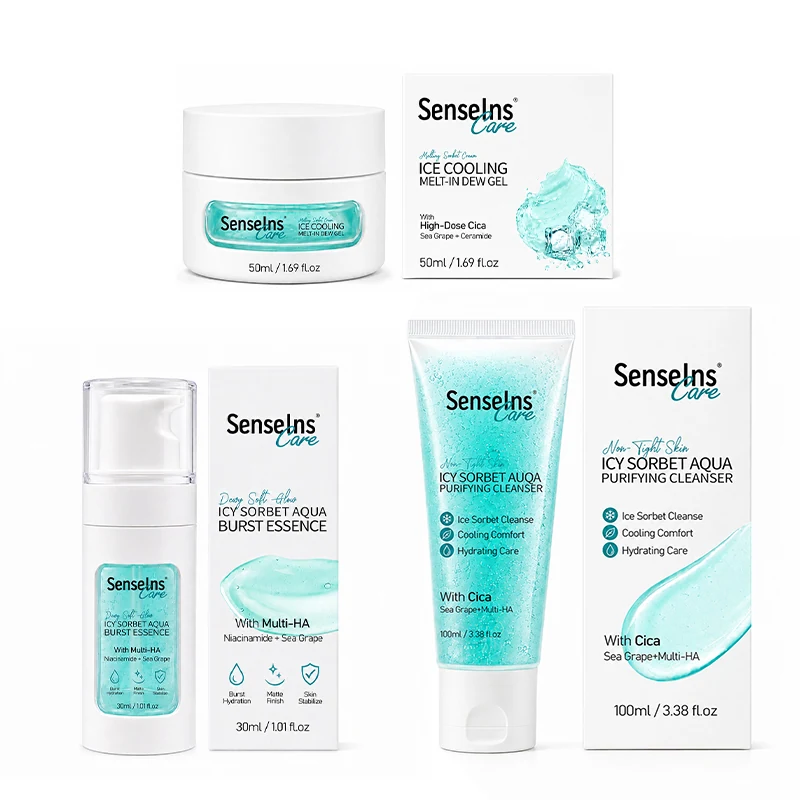
For example, a distributor might purchase shampoos, facial cleansers, body lotions, or skincare products from a supplier and sell them through local stores or online marketplaces.
Benefits of Wholesale Cosmetics
Why do many businesses choose wholesale? The main reason is convenience.
- Faster market entry: You can start selling available products without waiting for new formulations or packaging designs.
- Lower initial investment: You generally avoid the additional costs of product development, custom packaging, and branding.
- Easier inventory planning: Ready-made products can make purchasing and restocking more straightforward.
- Market testing: You can introduce different product categories and learn what your customers prefer before making a larger investment.
However, wholesale has some limitations. You usually have less control over product formulas, packaging, and brand identity. Since other sellers may offer the same products, standing out in a competitive market can also be difficult.
For businesses that want to establish their own identity, another sourcing option may be more suitable.
What Is Private Label Customization?
Private label customization means selling cosmetic products under your own brand name instead of using an existing supplier’s brand. It allows you to build a unique identity while working with experienced manufacturers.
The level of customization can vary. Some businesses choose proven formulas with their own labels and packaging, while others want completely new products designed around their ideas.
Private Labeling vs. Deep Customization
Understanding these two approaches can help you make a better decision.
- Private Labeling: This approach uses existing, tested formulations developed by the manufacturer. You can customize the product’s label, packaging, and branding without starting the formulation process from scratch.
For example, you might choose an existing facial serum formula and sell it under your own skincare brand.
- Deep Customization (OEM/ODM): This option provides more room to develop products based on specific market needs. OEM manufacturing generally involves producing products according to your requirements, while ODM services can include manufacturer-led product development and design.
You can work with manufacturers to customize ingredients, textures, fragrances, colors, and packaging.
Why Choose Private Label Cosmetics?
Private labeling offers several advantages:
- Brand ownership: Build your own identity and develop customer loyalty.
- Product flexibility: Choose suitable formulas, ingredients, and packaging options.
- Market differentiation: Create products that reflect your brand’s values and target audience.
- Long-term growth: Develop a product range that supports your business as it expands.
However, working with Private Label Cosmetics Manufacturers may require more planning, sampling, and investment than buying ready-made products.
Now that both sourcing models are clear, let’s compare them side by side.
Wholesale vs Private Label Cosmetics: Key Differences
Although both options help businesses source beauty products, they differ in several important areas. Understanding these differences can help you select the right model for your business.
|
Comparison |
Cosmetic Wholesale |
Private Label |
|---|---|---|
|
Brand ownership |
Existing supplier brand |
Your own brand |
|
Products and packaging |
Mostly ready-made |
Customizable |
|
MOQ |
Depends on stock and supplier policies |
Depends on formula and packaging |
|
Time to market |
Generally faster |
Requires sampling and production |
|
Initial investment |
Usually lower |
May involve additional costs |
|
Market differentiation |
More limited |
Greater flexibility |
|
Ideal customers |
Distributors and retailers |
Entrepreneurs and brand owners |
Which Differences Matter Most?
- Investment and MOQ: Wholesale is often a practical starting point because you can purchase available products without paying for new formulation development. Private label projects may involve additional expenses for packaging, design, testing, and sampling.
- Production Time: If products are already in stock, wholesale can help you enter the market quickly. Private label manufacturing takes longer because products may need samples, approvals, and production planning.
- Brand Growth: Wholesale helps you sell established products, but private labeling gives you greater control over your brand identity and product range.
So, which model makes the most sense for your business? Let’s look at some common business situations.
Which Sourcing Model Is Best for Your Business?
There is no single answer for every beauty business. Your ideal sourcing model depends on your current position and future plans.
Distributors Entering the Market
If you’re new to the cosmetics industry, wholesale may be a good starting point. You can purchase ready-made products, understand customer preferences, and test demand without taking on the cost of developing your own products.
Working with reliable Bulk Cosmetics Suppliers can also help you maintain product availability as your customer base grows.
Entrepreneurs Building Their Own Beauty Brands
If your goal is to establish a recognizable brand, Private Label Cosmetics may be the better choice. You can select suitable formulations, create custom packaging, and build a product range that reflects your business identity.
For example, Private Label Skincare allows you to develop a collection of facial cleansers, moisturizers, serums, and other products under your own brand.
Established Brands Expanding Their Product Range
Businesses with existing customers and distribution channels may benefit from deeper customization. Custom Cosmetics Manufacturing allows you to develop products based on customer feedback, market trends, and specific product requirements.
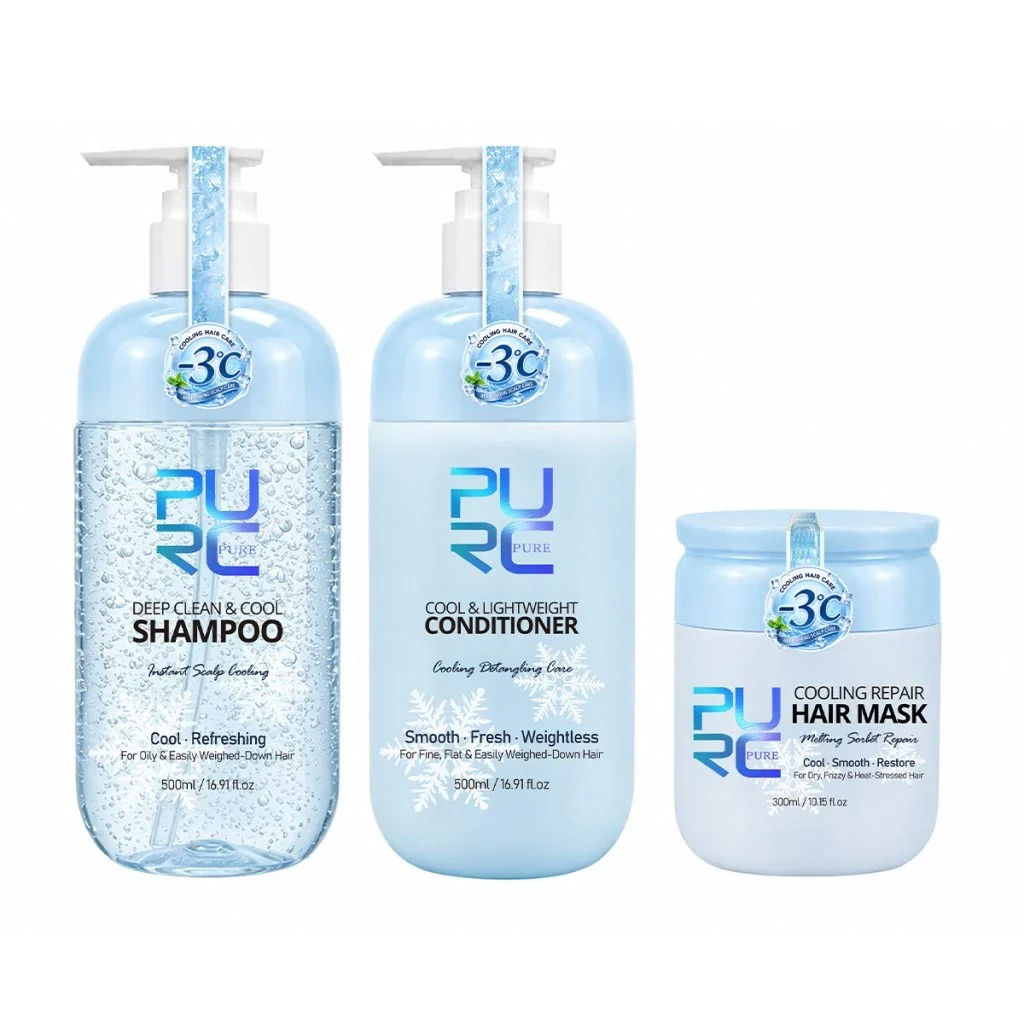
Consider a haircare distributor as an example. They might initially purchase ready-made shampoos and conditioners through wholesale. After learning which products customers prefer, they could work with a manufacturer to develop their own shampoos, conditioners, and hair masks.
This approach helps businesses grow step by step instead of making a large investment from the beginning.
How We Support Both Procurement Needs at BonnieCo
At BonnieCo, we understand that every beauty business has different sourcing requirements. Some customers want ready-made products to enter the market quickly, while others want to build their own brands through Cosmetics OEM ODM services.
That’s why we support both wholesale partnerships and private label manufacturing.
Wholesale Partnerships
We offer products from established brands across several categories, including skincare, haircare, baby care, and men’s grooming.
Whether you’re a distributor, retailer, or importer, we can discuss suitable product options and supply arrangements based on your requirements. Specific supply terms and brand authorization conditions are confirmed during business discussions.
Private Label and OEM/ODM Manufacturing
If you want to develop your own beauty brand, our private label services offer flexible customization options.
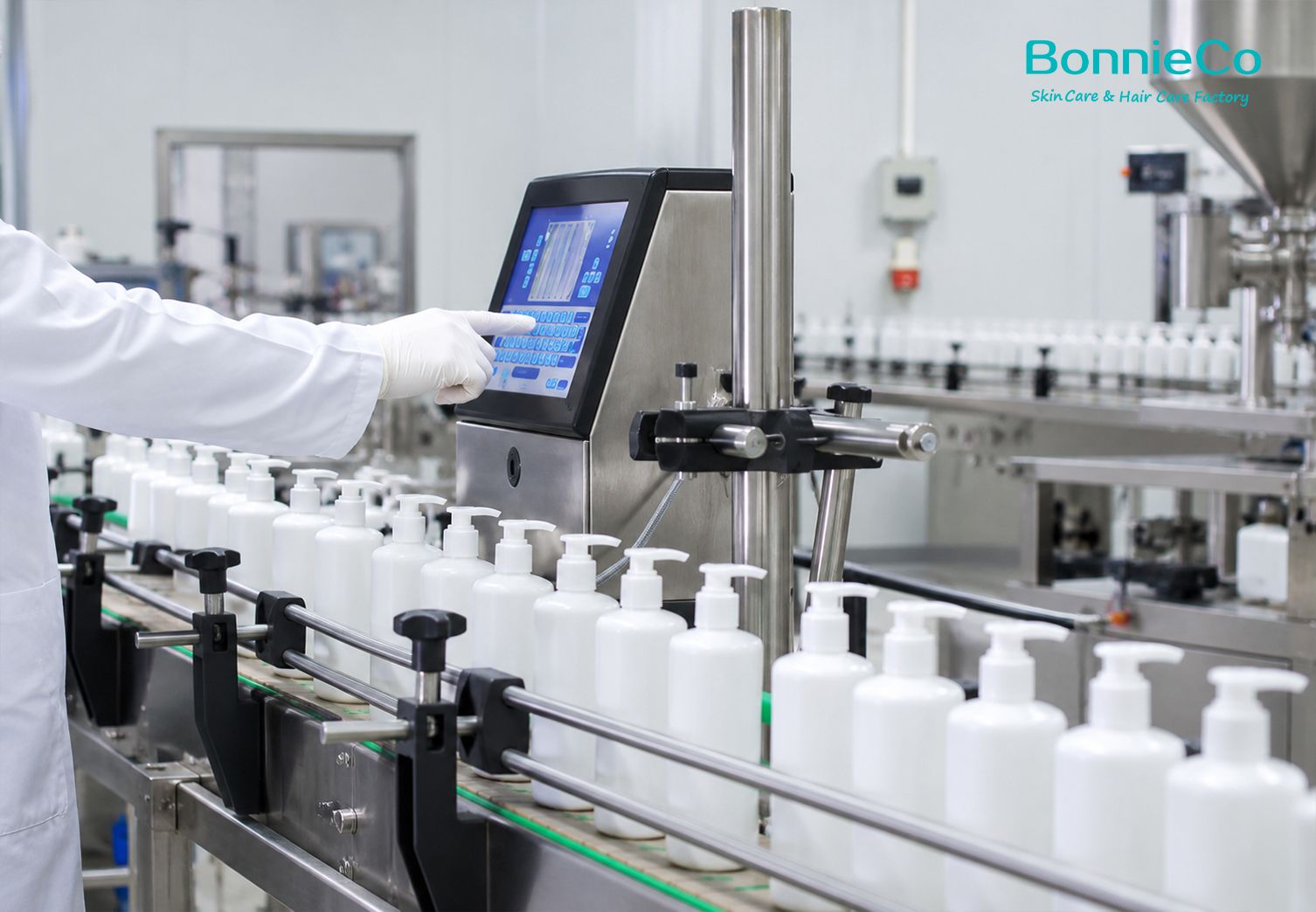
We work with customers on formulations, ingredients, textures, fragrances, colors, and packaging. From initial sampling to full-scale mass production, we provide a one-stop manufacturing service to help turn product ideas into finished goods.
Our manufacturing facility in Foshan, China, covers 50,000㎡ and includes a 700㎡ laboratory and 23 automated production lines. We also offer access to more than 20,000 proven formulations and serve markets in over 80 countries.
For private label projects, our typical MOQ starts at 1,000 units. However, exact quantities depend on the product, formulation, packaging materials, and project requirements. We’ll confirm the details in your quotation.
Conclusion
Choosing between cosmetic wholesale and private label customization comes down to what you want to achieve.
If you want to enter the market quickly with a lower initial investment, wholesale may be the right starting point. If you want to build your own beauty brand, private labeling offers greater control over your products and identity. For established businesses, deeper customization can create more opportunities for long-term growth.
At BonnieCo, we’re ready to help you explore both options. Whether you’re looking for wholesale cosmetics or a reliable manufacturing partner for your own brand, we’d love to learn more about your plans.
Contact us today to discuss your requirements and let’s find the right sourcing solution for your beauty business.
Frequently Asked Questions
1. What is the main difference between cosmetic wholesale and private label?
Wholesale involves selling existing branded products, while private labeling allows you to sell products under your own brand name.
2. Is private labeling more expensive than wholesale?
Generally, yes. Private labeling may involve extra costs for packaging, sampling, testing, and customization.
3. What is the typical MOQ for private label cosmetics?
MOQ varies by manufacturer and product. At BonnieCo, our typical private label MOQ starts at 1,000 units.
4. Can I start with wholesale and switch to private labeling later?
Yes. Many businesses start with wholesale to test market demand before developing their own branded products.