
In today’s highly competitive beauty industry, launching a successful brand requires more than just a good idea it demands speed, expertise, manufacturing capability, and global compliance. This is why more and more companies are turning to OEM cosmetics and ODM cosmetics partnerships to bring custom beauty products to market efficiently.
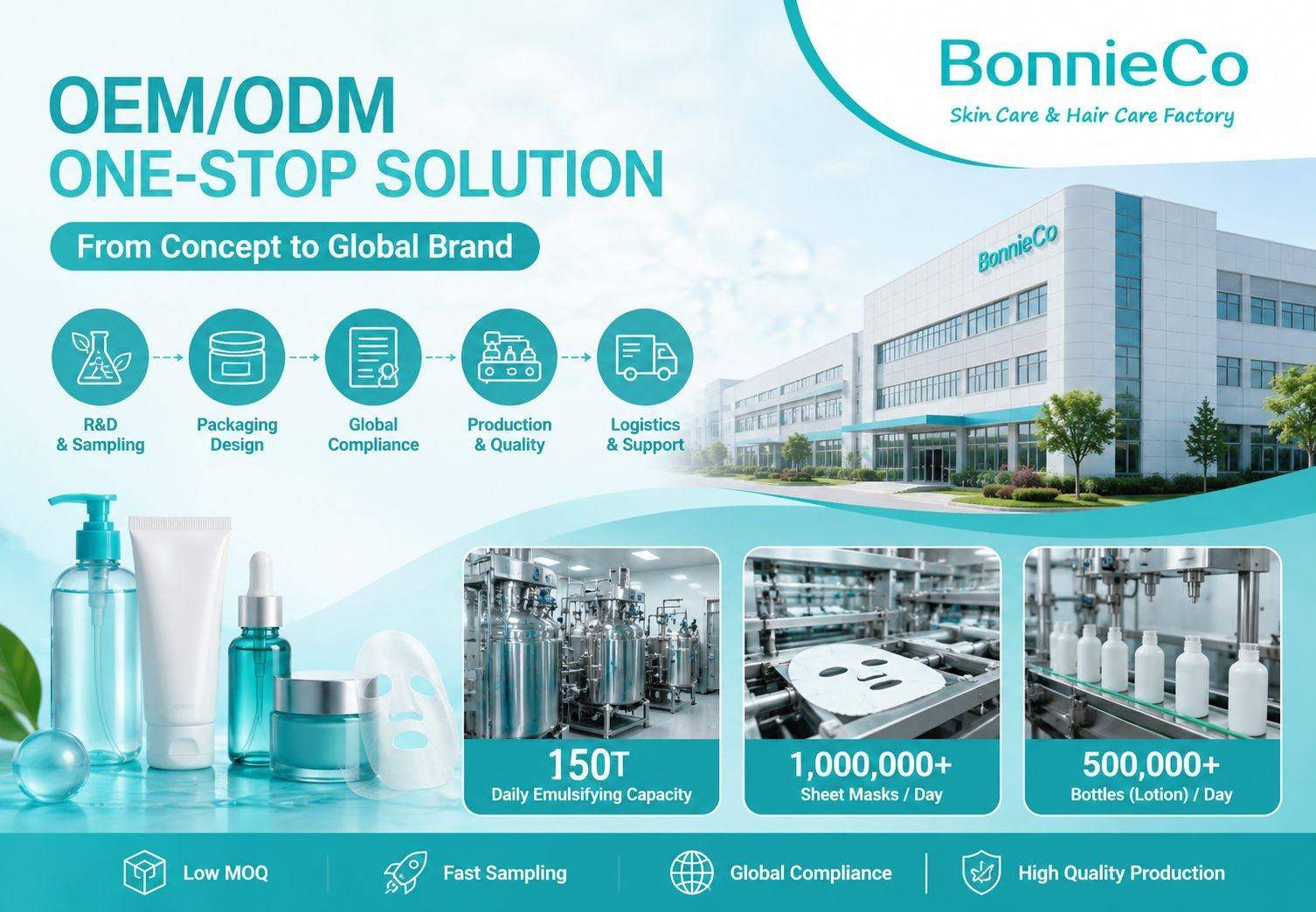
As a leading cosmetic manufacturer in China, BonnieCo provides end-to-end cosmetic contract manufacturing solutions, helping brands scale from concept to global distribution with a one-stop system covering formulation, packaging, compliance, and production.
Below is a complete breakdown of how a professional cosmetic OEM factory operates throughout the entire product development lifecycle.
Why More Brands Are Choosing OEM/ODM Cooperation
The global beauty market is evolving rapidly, and brands are increasingly relying on private label cosmetics and OEM/ODM partnerships to stay competitive.
1. Market Trends of OEM/ODM Models
OEM/ODM cooperation has become the backbone of modern beauty entrepreneurship due to several key advantages:
- Lowering the barrier to entry for brand startups
- Shortening product launch cycles
- Reducing R&D and production costs
For many startups entering skincare or makeup, working with a skincare manufacturer allows them to bypass expensive factory setup and formulation development.
This shift has also fueled the growth of private label skincare solutions, where brands can quickly customize existing formulas and packaging under their own identity.
2. Differences Between OEM and ODM
Understanding the difference between these two models is essential:
- OEM cosmetics: The brand provides the formula, design, and concept. The factory produces according to specifications.
- ODM cosmetics: The factory provides ready-made or semi-custom formulas, packaging options, and complete solutions.
ODM is often preferred by startups seeking faster entry into the market, while OEM is favored by established brands seeking full control over product innovation.
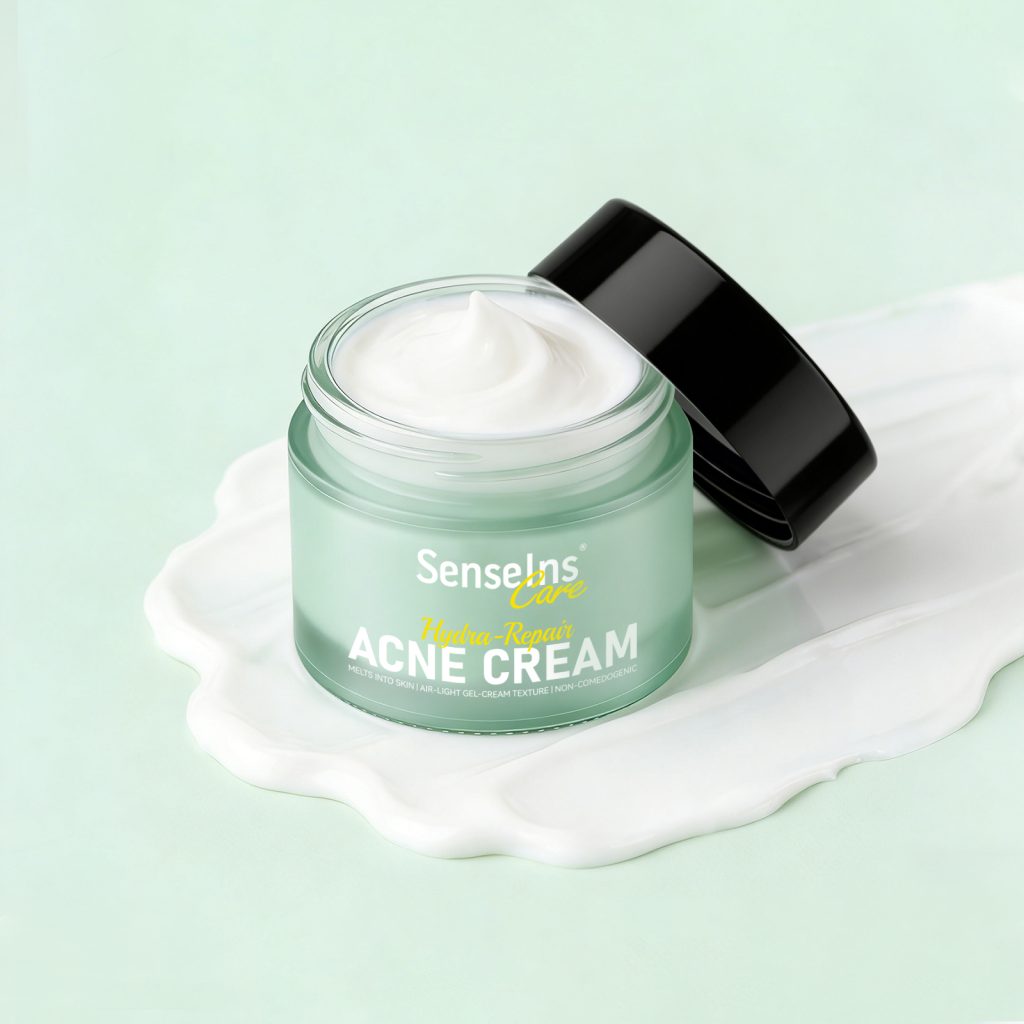
The First Step in OEM Cooperation: Needs Communication and Project Evaluation
Every successful project begins with a structured consultation phase. A professional cosmetic OEM factory like BonnieCo assigns dedicated project managers to ensure clarity from the start.
1. Defining Product Positioning
The first step is identifying product categories:
- Skincare products
- Hair care products
- Makeup products
As a diversified hair care manufacturer and skincare manufacturer, BonnieCo supports cross-category development for brands aiming to build complete product lines.
2. Identifying Target Markets
Market selection directly impacts formulation, compliance, and packaging strategy:
- Southeast Asian Market
- Middle Eastern Market
- European Market
- North American Market
Each region has unique regulatory requirements and consumer preferences, especially for private label cosmetics and custom beauty products.
3. Confirming Product Specifications
This includes:
- Efficacy requirements (whitening, anti-aging, repair, hydration, etc.)
- Packaging material selection
- Packaging design direction
- Target price positioning
At this stage, a professional cosmetic contract manufacturing partner provides market insights and formulation suggestions based on trending ingredients and regional demand.
Factory Advantages:
One-on-one project manager support
Market trend analysis and product recommendations
OEM Cooperation Step Two: Rapid Prototyping and Formula Development
Once requirements are confirmed, the R&D phase begins. This is where a strong cosmetic manufacturer demonstrates its technical capability.
Formula Development Process
Key steps include:
Efficacy testing
Stability testing
Compatibility testing
A mature cosmetic OEM factory typically maintains a large formula database to accelerate development and reduce time-to-market.
Sample Confirmation
Sample refinement includes:
Odor adjustment
Texture optimization
Packaging effect confirmation
This stage is critical for ODM cosmetics, where pre-developed formulas are customized into market-ready products quickly.
Factory Advantages:
- Rapid prototyping services
- Strong R&D team support
Extensive formula database for private label skincare and private label cosmetics
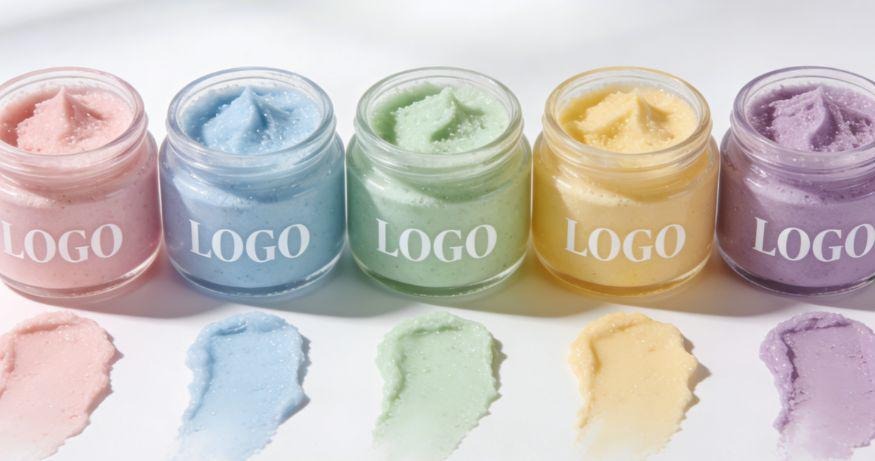
OEM Cooperation Step Three: Packaging Design and Brand Customization
Packaging is a key differentiator in the beauty industry. A strong skincare manufacturer not only produces formulas but also supports full brand identity development.
Packaging Design Services
Services include:
- Logo customization
- Label design
- Color box design
This is essential for brands launching custom beauty products that must stand out in competitive retail environments.
Brand Visual Consistency
Beyond packaging, brand building includes:
- Product series planning
- Brand image development
A well-structured OEM/ODM strategy ensures consistency across all private label cosmetics product lines.
Factory Advantages:
Extensive packaging supply chain
Flexible customization for different markets
OEM Cooperation Step Four: Overseas Compliance Filing and Certification Support
Global expansion requires strict compliance with regulatory systems.
International Market Access Requirements
Different markets require different certifications:
EU CPNP registration
Indonesia BPOM registration
US FDA compliance guidelines
Middle East GCC requirements
A professional cosmetic contract manufacturing partner ensures smooth navigation through these complex systems.
Export Compliance Document Support
Key documents include:
MSDS (Material Safety Data Sheet)
COA (Certificate of Analysis)
GMP documentation
Product testing reports
Factory Advantages:
Strong compliance experience across multiple regions
Assistance with multi-country registration
Faster product launch timelines
OEM Cooperation Step Five: Large-Scale Production and Quality Control
Once approvals are completed, production begins at scale.
Quality Control System
Quality assurance includes:
Raw material inspection
Production process management
Finished product inspection
A reliable cosmetic OEM factory ensures full traceability from raw materials to final packaging.
Intelligent Production System
BonnieCo’s manufacturing capabilities include:
Daily emulsification capacity: 150 tons
Daily mask production: 1 million+ units
Daily lotion output: 500,000 bottles
30+ automated production machines
23 advanced production lines
These capabilities make it a leading cosmetic manufacturer for global private label skincare and ODM cosmetics projects.
Cleanroom Environment
Class 100,000 cleanroom
Full-process standardized management
Strict quality traceability system
This ensures consistent quality for all skincare manufacturer and hair care manufacturer production lines.
OEM Cooperation Step Six: Logistics Delivery and After-Sales Service
The final stage focuses on global distribution and long-term cooperation.
Global Export Logistics Support
A mature cosmetic contract manufacturing partner provides:
International shipping coordination
Export documentation support
Efficient delivery scheduling
Product Delivery and Acceptance
Ensures all goods meet agreed standards before shipment.
Long-Term Product Iteration
Brands working with a strong cosmetic OEM factory benefit from ongoing:
Formula upgrades
Market-driven adjustments
Product line expansion
Factory Advantages:
Reliable on-time delivery
Long-term brand support strategy
Continuous product optimization
How to Choose a Reliable OEM Cosmetic Factory
Selecting the right partner is critical for success in OEM cosmetics and ODM cosmetics development.
Five Key Indicators:
- Does the factory own its production base?
- Is the R&D capability strong and scalable?
- Does it hold international certifications?
- Can it support global compliance registration?
- Does it have stable production capacity?
A trustworthy cosmetic manufacturer should act not just as a supplier but as a long-term growth partner.
Conclusion
From product development and rapid prototyping to packaging customization, compliance filing, and large-scale production, a professional cosmetic OEM factory plays a critical role in transforming ideas into successful global brands.
With integrated capabilities in cosmetic contract manufacturing, BonnieCo Group provides a complete ecosystem for private label cosmetics, private label skincare, and custom beauty products.
BonnieCo leverages a 50,000㎡ production base, advanced automation systems, and a Class 100,000 cleanroom to support global brands across skincare, haircare, and makeup categories.
BonnieCo Group Highlights:
✔ Fast prototyping capabilities
✔ Low MOQ support for startups
✔ Full overseas compliance assistance
✔ Strong global export experience
✔ Scalable mass production capacity
Foshan BonnieCo Biotechnology Co., Ltd. (BonnieCo Group) operates as a vertically integrated cosmetic manufacturer, combining R&D, production, and branding through:
Guangzhou LocRoyal Cosmetics Co., Ltd. (Hair care OEM, PROINSCARE, PURC)
Guangzhou BonnieCo Cosmetics Co., Ltd. (Skincare & color cosmetics OEM, SenseInsCare, Jellyprim)
50,000㎡ self-owned production base in Foshan
In a fast-moving global beauty market, partnering with an experienced skincare manufacturer and hair care manufacturer is not just a production decision, it is a strategic growth decision.
Frequently Asked Questions
1. What is the difference between OEM and ODM cosmetics?
OEM cosmetics are produced according to a brand’s custom formula and specifications, while ODM cosmetics use the manufacturer’s existing formulas that can be customized with your branding.
2. What products can be developed through OEM/ODM services?
A professional cosmetic manufacturer can develop skincare products, hair care products, makeup products, and other custom beauty products.
3. What is the minimum order quantity (MOQ)?
MOQ varies by product type, packaging, and formulation. Many cosmetic OEM factories offer low MOQ options for startups and emerging brands.
4. How long does product development take?
Development timelines typically range from 2–8 weeks, depending on formula complexity, packaging customization, and testing requirements.
5. Can I create my own private label skincare brand?
Yes. A skincare manufacturer can help with formulation, packaging design, production, and branding for private label skincare products.
6. Do OEM factories provide compliance support?
Yes. Many manufacturers assist with CPNP, BPOM, FDA-related requirements, product testing, and export documentation.
7. How is product quality ensured?
Quality control includes raw material inspections, in-process monitoring, finished product testing, and GMP-compliant manufacturing standards.
8. Why choose a one-stop cosmetic contract manufacturing partner?
A one-stop partner simplifies development, reduces costs, shortens launch timelines, and provides comprehensive support from concept to global distribution.