
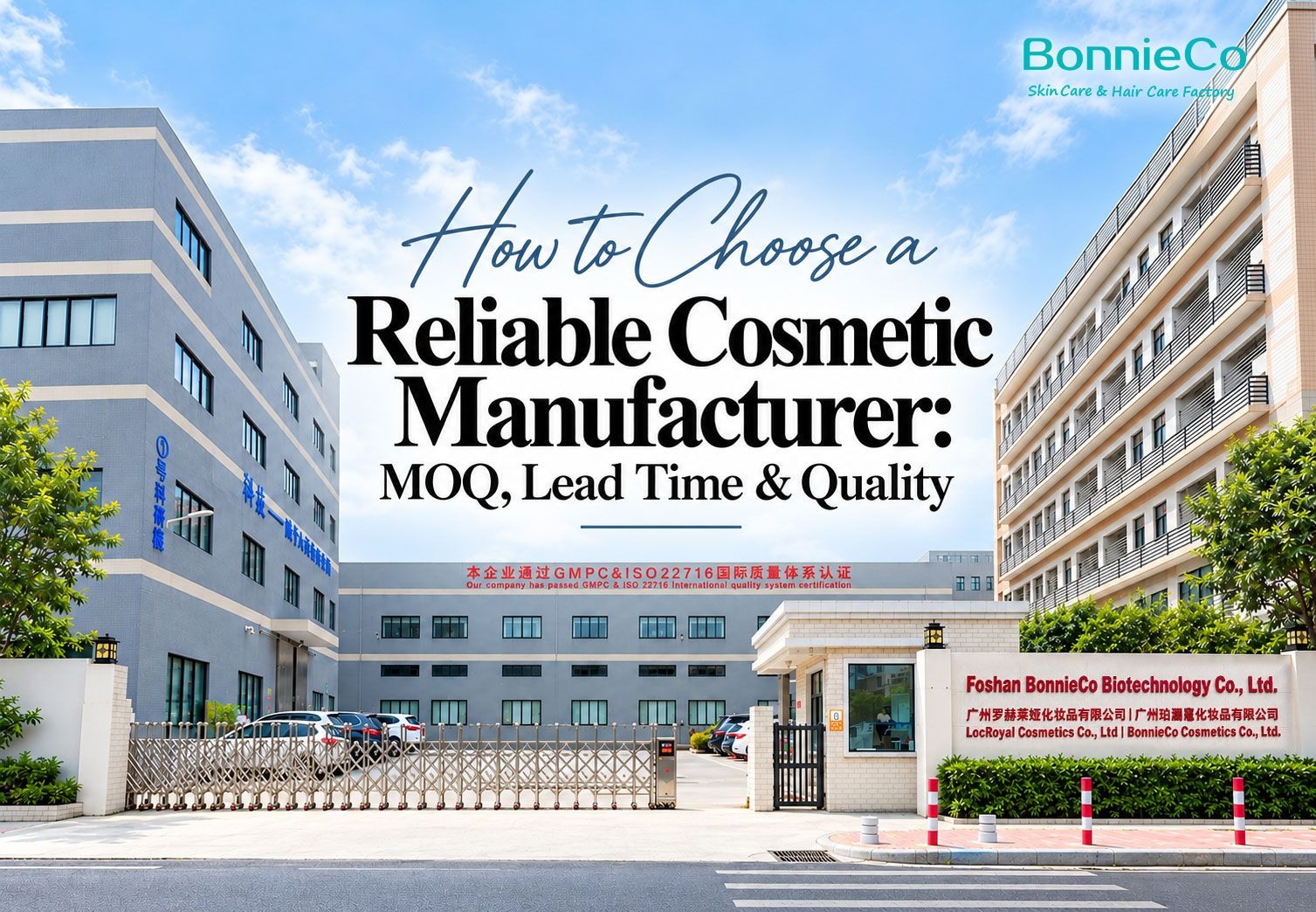
Finding the right cosmetic manufacturer is an important step when building a beauty brand. Whether you plan to launch skincare, hair care, makeup, or baby care products, your manufacturing partner can affect product quality, delivery schedules, and your ability to grow your business.
However, choosing a supplier is not just about finding the lowest price. You also need to understand minimum order quantity (MOQ), production lead time, quality management, and communication. If any of these areas are unclear, your project may face unexpected costs or delays.
So, how do you choose a reliable cosmetic manufacturer that understands your needs? Let's look at four key factors to consider before placing your first order.
Why Choosing a Reliable Cosmetic Manufacturer Matters
A cosmetic manufacturer does more than produce products. The right partner helps you turn an idea into a product that meets your brand's needs and market expectations.
Look Beyond the Quoted Price
A low quotation may seem attractive, especially for a new brand. However, the total cost of an order can also depend on packaging, formula customization, samples, testing, and documentation. Before comparing suppliers, make sure you understand what each quotation includes.
Check the Manufacturer's Capabilities
Ask whether the manufacturer can support your product type, packaging preferences, order volume, and customization needs. For OEM and ODM projects, clarify who will handle formula development, packaging selection, artwork approval, and production planning.
A supplier that communicates clearly and explains its process can help you avoid confusion later.
But how do you know whether a manufacturer's order requirements fit your budget? Start by understanding MOQ.
MOQ: Match Minimum Order Quantities to Your Business Needs
MOQ, or minimum order quantity, is the smallest order a manufacturer accepts for a particular product or project. Understanding it early helps you plan your budget, inventory, and product launch.
What Affects MOQ?
Several factors can influence MOQ:
- Formula: Developing a new formula may involve different preparation requirements than using an existing formula.
- Packaging: Stock bottles and jars may have different purchasing conditions from custom packaging, printing, or special finishes.
- Production setup: Equipment preparation and batch planning can affect the quantity needed for an economical production run.
- Customization: Different sizes, colors, fragrances, and formulas may require separate production arrangements.
How Can You Find the Right MOQ?
Start with your expected sales, available budget, and storage capacity. Ordering too much can tie up cash in inventory, while ordering too little may limit your ability to meet demand.
Ask the manufacturer whether flexible MOQ options are available for your chosen product and packaging.
BonnieCo offers flexible MOQ and production schedule options, but the actual requirements should be confirmed for each project.
Once your order quantity is clear, the next question is when you can expect your products to be ready.
Lead Time: Plan Every Stage Before Placing an Order
Lead time is the time needed to complete a stage of your order or prepare it for shipment. Understanding the full process helps you plan product launches, promotions, and inventory.
Which Stages Affect Production Time?
A cosmetic order may involve several steps:
- Formula discussion and sample development.
- Sample review and approval.
- Packaging procurement and artwork confirmation.
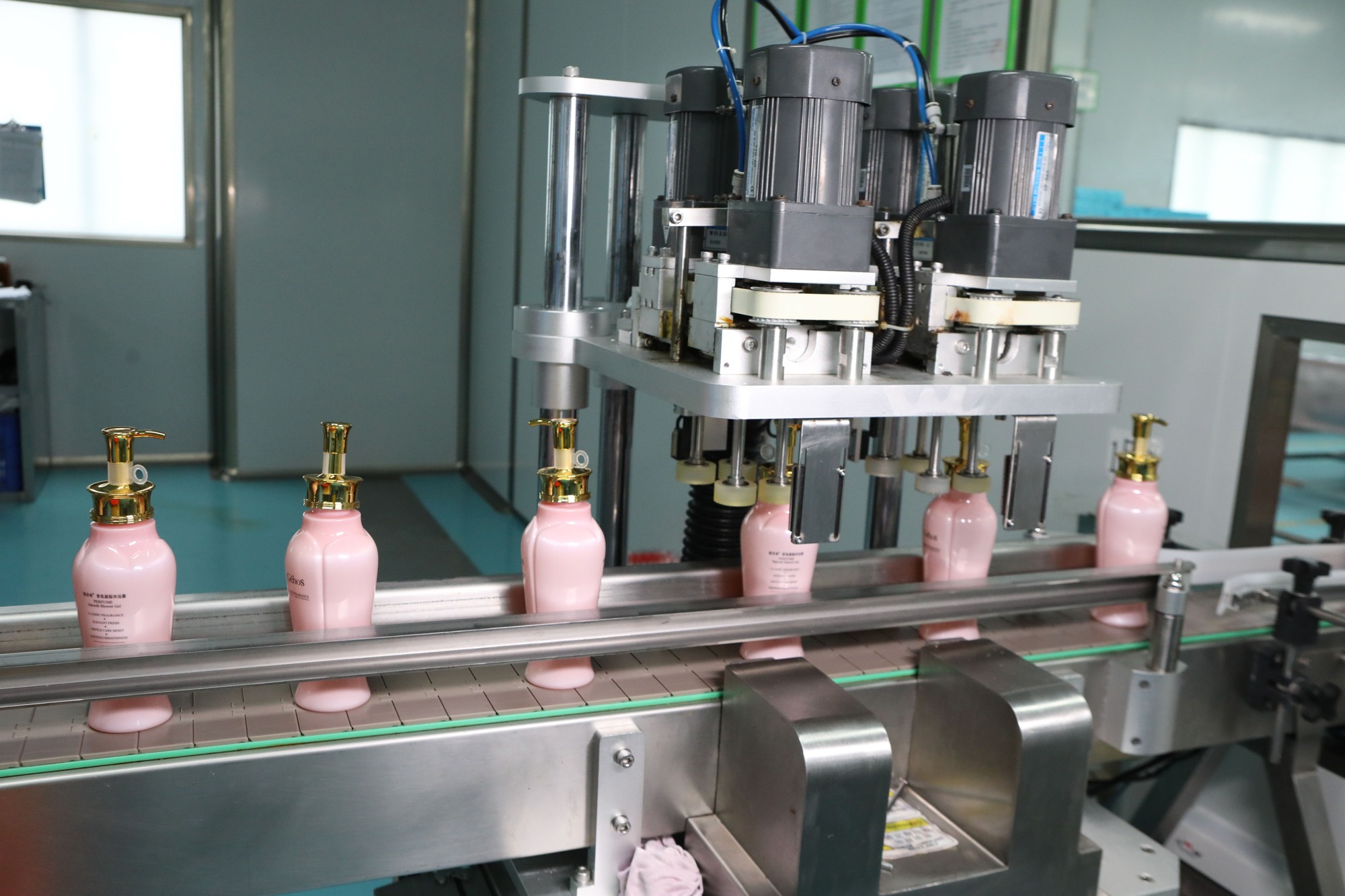
- Manufacturing and filling.
- Quality inspection and final packing.
- Export preparation and shipment arrangements.
The time required depends on the product, order quantity, packaging availability, customization, and approval process. Delays can occur when samples need revisions or packaging suppliers miss their schedules.
Questions to Ask About Lead Time
Ask when production can begin, which approvals are required, and whether the quoted timeline includes packaging and quality checks. Also, distinguish manufacturing time from shipping time.
Provide feedback promptly and approve formulas, artwork, and packaging only after checking the details carefully.
Of course, a product arriving on time is only part of the job. How can you make sure its quality meets your expectations?
Quality: Look Beyond Product Samples and Promises
A good sample is encouraging, but buyers also need confidence that the final production batch will meet the agreed specifications. Quality should be evaluated through documented processes, not promises alone.

Evaluate the Factory's Quality Management
Ask about production hygiene, raw material handling, equipment maintenance, inspection procedures, and batch records. You can also ask how the manufacturer handles products that do not meet specifications.
ISO 22716 provides guidance on good manufacturing practices for cosmetics. If a manufacturer claims certification, verify its validity and scope rather than assuming it covers every product or facility.
Request Relevant Quality Documents
Depending on the product and agreement, useful records may include product specifications, a Certificate of Analysis (COA), test reports, and batch traceability records. Ask which tests are performed, who performs them, and what results are documented.
For products entering international markets, quality checks should also support applicable safety and regulatory requirements.
Even strong quality systems need clear coordination. This is where communication and documentation become especially important.
Communication: Confirm Documentation and Service Support
Clear communication helps keep a cosmetic project organized from the first quotation to the final shipment. A reliable manufacturer should explain requirements, respond to questions, and provide updates when important details change.
Check Communication Before Ordering
Notice how the supplier handles your initial inquiry. Are the quotation, sample arrangements, customization options, and production stages explained clearly? Establish who will manage your order and how approvals and changes will be recorded.
Regular updates can help you identify problems early instead of discovering them just before shipment.
Understand Cosmetic Import and Export Documents
Documentation requirements depend on the product, destination, and shipping arrangement. Common documents or records may include:
- Commercial invoices and packing lists for customs clearance.
- A Certificate of Analysis (COA) and Safety Data Sheet (SDS), where applicable.
- An INCI list for cosmetics to support ingredient declaration and labeling.
- Certificates of origin or other documents when required.
- Product specifications, test reports, and other agreed OEM cosmetic documentation.
Before ordering, confirm which cosmetic OEM export documents the manufacturer can provide and which cosmetic import documents you must arrange yourself. Check cosmetic customs documents and cosmetic import requirements with your customs broker or relevant regulatory authority.
Remember that having a COA, SDS, or INCI list does not automatically establish cosmetic export compliance. Requirements vary by market.
With these four factors in mind, what can BonnieCo offer brands looking for a long-term manufacturing partner?
BonnieCo's Capacity for a Long-Term Partnership
Choosing a manufacturer is not just about completing one order. It is about finding a partner that can support your brand as its products and customer base grow.
BonnieCo combines research and development, design, production, sales, and service. The company supports OEM and ODM projects across skincare, hair care, makeup, and baby care.
Flexible Support for Different Brand Needs
BonnieCo offers formula and texture customization, packaging customization, and private-label manufacturing support. Its product concepts include skincare sets, scalp and hair care collections, and baby care products.
The company reports 15 years of industry experience, a self-owned 50,000-square-meter manufacturing facility, more than 3,000 brand partners, and experience serving over 80 countries. These details provide useful context when evaluating its manufacturing background.
For buyers, the next step is to discuss the specific project: product requirements, target market, expected order quantity, packaging preferences, quality documentation, and production schedule. Clear discussions help both sides understand expectations before moving forward.
Conclusion
Knowing how to choose a reliable cosmetic manufacturer starts with asking the right questions. Review MOQ carefully, confirm the full production timeline, evaluate quality management, and make sure communication and documentation responsibilities are clear.
The best supplier is not necessarily the cheapest. It is one whose capabilities, working process, and service match your product requirements and business goals.
Planning a new beauty product or expanding your existing range? Contact BonnieCo at sales001@bonniecobeauty.com or WhatsApp +86 18202023258 to discuss your OEM/ODM project, customization needs, and order requirements. A clear conversation is a practical first step toward building your next product line.
Frequently Asked Questions
1. What should I check before choosing a cosmetic manufacturer?
Review manufacturing capabilities, MOQ, lead time, quality management, relevant certifications, communication, and export experience. Confirm which services and documents are included in the quotation.
2. What affects cosmetic manufacturing MOQ?
MOQ may depend on the formula, raw materials, packaging, production setup, and customization requirements. Ask for project-specific quantities before making a decision.
3. How can I avoid cosmetic production delays?
Approve samples and artwork promptly, confirm packaging availability, and agree on a timeline covering production, quality checks, and shipment preparation.
4. Which documents are needed to import cosmetics?
Depending on the destination, requirements may include invoices, packing lists, ingredient lists, safety information, and product-specific regulatory documents. Confirm requirements with local authorities or a customs broker.
5. Does BonnieCo offer OEM and ODM services?
BonnieCo offers OEM/ODM manufacturing and private-label support across skincare, hair care, makeup, and baby care. Contact the company to discuss your product and project requirements.