

Choosing a cosmetic OEM manufacturer involves more than developing a great formula and attractive packaging. If you plan to sell skincare, hair care, makeup, or baby care products internationally, you also need to understand the documents required to ship your products and prepare them for your target market.
For overseas brand owners, importers, and wholesalers, missing paperwork can lead to delays, extra costs, and unexpected requests from customs authorities or local regulators. That is why export documentation should be part of your manufacturing discussions from the beginning.
A reliable cosmetic OEM supplier should explain which documents it can provide, what information it needs from you, and which requirements depend on your destination country.
So, what export support can you expect from a factory, and what should you confirm before placing a bulk order? Let's look at the essentials.
Why Are Export Documents Necessary?
Export documents help identify your products, describe the shipment, and provide information needed by customs authorities, importers, and other relevant parties. Depending on the destination market, some documents may also support product safety reviews, quality checks, or regulatory submissions.
For example, imagine you are importing a private-label facial serum. Your shipping documents may describe the goods and their declared value, while product documents may provide information about the formula or quality results. These documents serve different purposes, but they all help keep your import process organized.
Supporting customs clearance and importer checks
Customs authorities may request commercial and shipping documents to process an import. Meanwhile, distributors, retailers, or internal quality teams may ask for product information before accepting a shipment.
Having the relevant documents prepared and consistent can reduce avoidable questions. However, documentation alone does not guarantee immediate customs clearance or permission to sell a product.
Helping with product compliance
Cosmetic regulations vary between countries. A document accepted for one market may not meet the requirements of another.
When you choose a cosmetic contract manufacturer, ask about its documentation support early. This gives you time to identify missing information before packaging is printed or mass production begins.
But which documents should you discuss with your factory first?
Common Export Documents and Their Purposes
The exact document package depends on the product, destination, shipping arrangement, and applicable regulations. A cosmetic OEM manufacturer may provide several types of commercial, technical, and product-related documents.
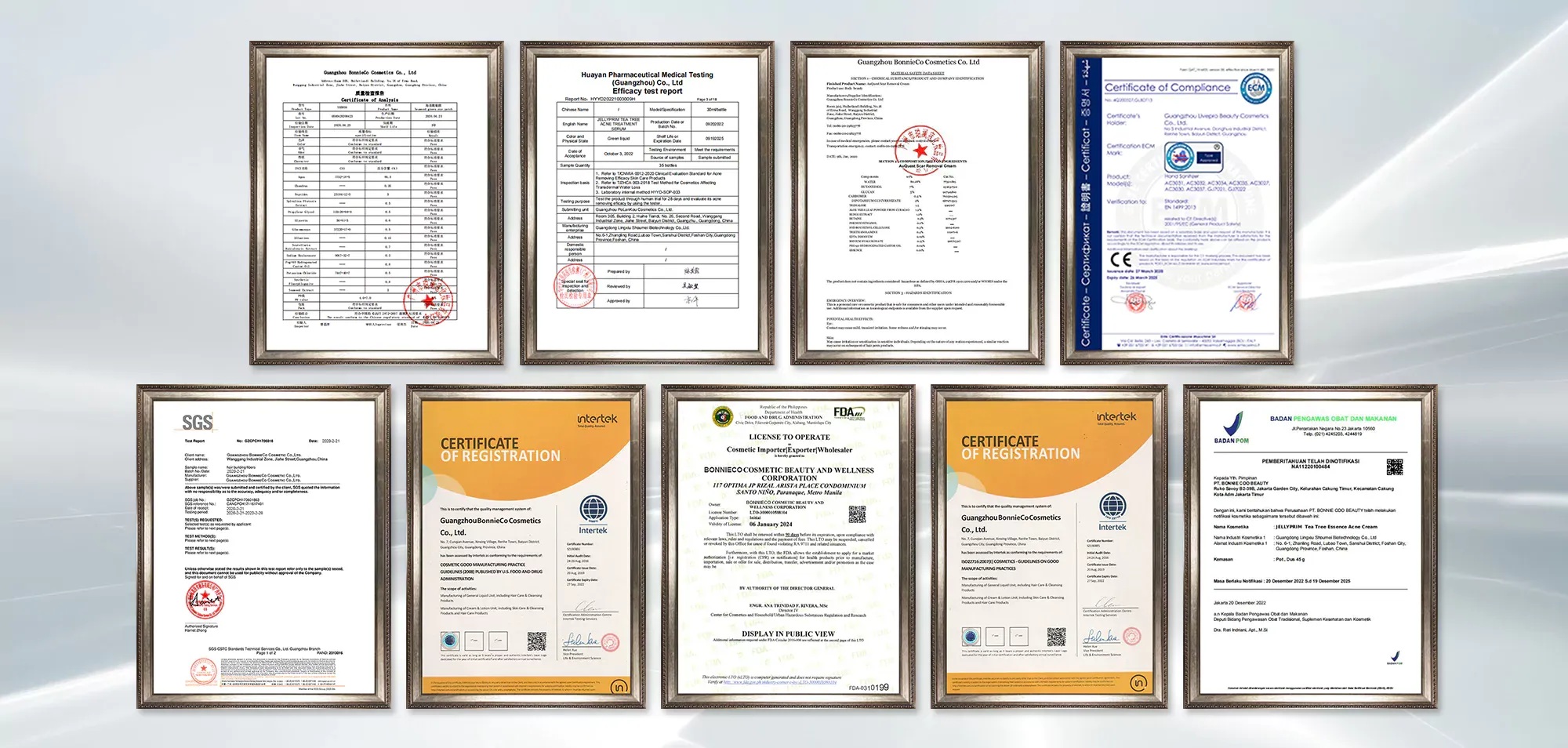
COA: Certificate of Analysis
A Certificate of Analysis, or COA, reports specified quality results for a product or batch. It helps buyers review the information covered by the analysis and compare it with agreed specifications.
If you are sourcing a private-label moisturizer, ask what the COA includes, which product or batch it covers, and whether the document reflects the goods being supplied.
Do not assume every COA includes the same tests. Confirm the contents with your cosmetic OEM supplier before relying on it for purchasing or compliance decisions.
SDS/MSDS: Safety Data Sheet
An SDS, formerly often called an MSDS, provides safety information relevant to handling, storage, exposure, and emergency measures.
Its requirements and relevance depend on the product and applicable rules. Buyers should confirm whether an SDS is required for their particular shipment and whether the available document meets the destination market's requirements.
INCI ingredient list
The International Nomenclature of Cosmetic Ingredients, or INCI, provides standardized names for cosmetic ingredients. An ingredient list helps buyers review product composition and prepare ingredient declarations for packaging or regulatory submissions.
Before approving labels, confirm that the ingredient information matches the final formula and applicable local rules. An INCI list does not, by itself, prove that a product is approved for sale.
Commercial invoice and packing list
These are common shipping documents, but they serve different purposes.
Commercial invoice: Records transaction details, such as the goods, quantities, declared values, and relevant seller and buyer information.
Packing list: Describes the shipment's contents, including package counts and quantities, as applicable.
Depending on the shipment, buyers may also need certificates of origin, declarations, transport documents, or other supporting records. Availability and requirements should be confirmed for each order.
Now that you understand the main documents, how can you avoid discovering a missing requirement just before shipment?
What Should Importers Verify Before Mass Production?
Preparing export documents is easier when the factory understands your market and product requirements from the start. Before approving a formula, label, or bulk order, discuss the following points with your manufacturing partner.
Destination country and product category
Tell your factory where you intend to sell the products. Requirements can differ across markets, and skincare, makeup, hair care, and baby care products may face different rules depending on their ingredients, claims, and intended use.
Also, clarify whether your product makes claims that could change its regulatory classification. Claims related to treating medical conditions, for example, may require additional review in some markets.
Labeling language and ingredient information
Check the required label language, ingredient declaration format, product warnings, and other information required on the packaging. Ask who will review the final artwork and verify that the information matches the approved formula.
A cosmetic OEM quality check should include reviewing document accuracy and consistency with the product specifications and packaging details.
Registration and notification requirements
Some markets require cosmetics to be registered or notified before sale. Others may require a responsible person, a product information file, safety assessments, or additional supporting records.
Do not assume your factory handles every local regulatory step. Confirm what the manufacturer can provide and whether you need a local compliance consultant or importer to complete the remaining work.
Confirm the cosmetic OEM MOQ and lead time
When planning your cosmetic OEM MOQ and lead time, consider more than production capacity. Formula approval, packaging artwork, document preparation, testing where required, and regulatory steps may affect your overall schedule.
The best approach is to confirm the document list before mass production. This helps you identify potential gaps early instead of paying for packaging or products that need changes later.
With these checks in place, the next question is what makes a factory a useful export partner rather than simply a manufacturer.
How BonnieCo Supports Clients with Exports
For international buyers, good communication can make the sourcing process much easier. A cosmetic OEM manufacturer should help you understand the available documentation, identify information needed from your side, and coordinate product-related paperwork.
BonnieCo provides OEM and ODM manufacturing services across skincare, hair care, makeup, and baby care. Its services include formula and texture customization, private-label manufacturing, and support for brands developing products for different markets.
Documentation support and one-on-one communication
BonnieCo states that it offers a 24-hour turnaround for compliance documentation, dedicated one-on-one support, and experience covering more than 80 countries.
These services can help buyers organize documentation requests and communicate their project requirements. However, the 24-hour turnaround refers to document preparation, not a guarantee of government approval, product registration, or completed customs clearance. Timelines depend on the specific request and the authorities involved.
When discussing your project, share the target market, product category, planned claims, and any document checklist supplied by your importer or compliance adviser. This gives the factory a clearer picture of what you need.
Support for different private-label projects
Whether you are developing a body care set, a scalp care range, or a baby care collection, your documentation needs may differ. A private label cosmetic factory should clarify which product records are available and whether additional information must come from an independent laboratory, regulatory specialist, or importer.
If you are comparing suppliers, ask for a clear list of available documents and confirm the scope of support before placing your order. This is a practical way to choose a reliable cosmetic OEM partner that fits your project.
Conclusion
Export documentation deserves attention just as much as formula development, packaging, and production planning. COAs, SDSs, INCI ingredient lists, commercial invoices, and packing lists serve different purposes, and the documents you need depend on your product and destination market.
Before committing to mass production, confirm the requirements with your importer, check which documents your manufacturer can provide, and allow time for any additional reviews or approvals.
Looking for a cosmetic OEM supplier for your next beauty product line? Contact BonnieCo at sales001@bonniecobeauty.com or WhatsApp +86 18202023258 to discuss your product ideas, target market, and export documentation needs. Our team can help you explore the next steps for your OEM or ODM project.
Frequently Asked Questions
1. Can a cosmetic OEM manufacturer provide all export documents?
Not always. Available documents depend on the product, destination country, and factory capabilities. Confirm your requirements before ordering.
2. Is a COA the same as an SDS?
No. A COA reports specified quality results, while an SDS provides safety and handling information.
3. Does an INCI list mean a cosmetic is approved?
No. It identifies ingredients but does not replace required registration, notification, or safety assessments.
4. Does 24-hour document preparation mean faster customs clearance?
No. Government reviews, approvals, and customs processing follow separate timelines.
5. When should I request export documents?
Request the document list before mass production, ideally during product development and packaging planning.