
Imagine spending months developing a skincare product, finalizing its packaging, and preparing a shipment, only to discover that it does not meet the requirements of your target market. An ingredient may need to be changed, a label may need to be redesigned, or additional documents may be required before the product can be sold.
For beauty brands, these challenges can lead to extra costs, delays, and missed business opportunities. That is why understanding Cosmetic Regulations should be part of your export plan from the beginning, not something you consider just before shipping.
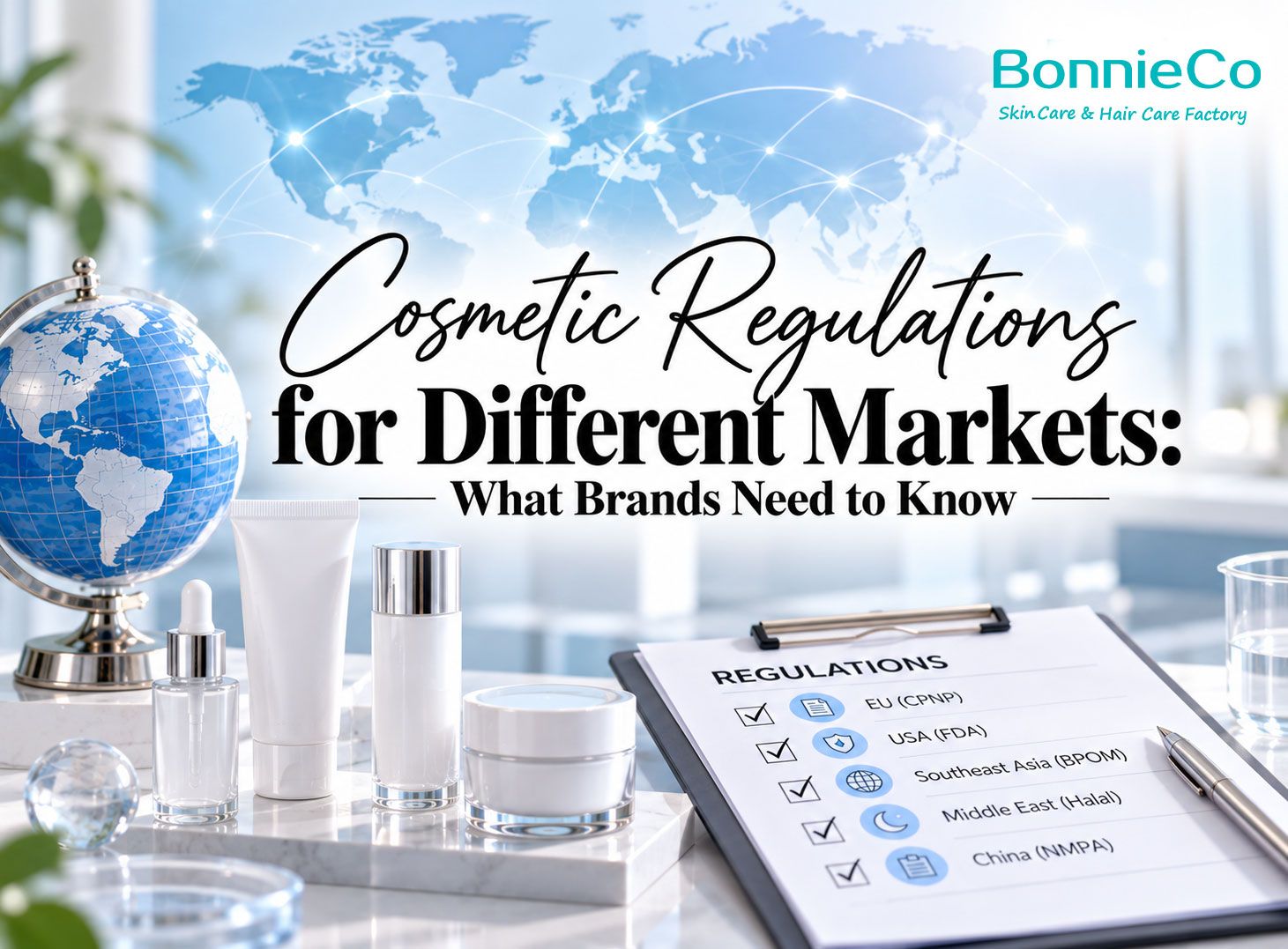
Whether you are launching a private label skincare line or sourcing products through an OEM/ODM partner, each market comes with its own rules. In this guide, we will explore key requirements in the European Union, the United States, Southeast Asia, and the Middle East, along with practical ways to prepare for international trade.
Why Exporters Must Pay Attention to Target Market Regulations
Cosmetics regulations are not the same everywhere. Countries may have different rules for permitted ingredients, product safety, labeling, registration, and product claims. A skincare formula that is suitable for one market may require changes before it can be sold in another.
For importers and brand owners, overlooking these differences can create problems during product development, packaging, or customs clearance.
Plan for Compliance Before Production
The best time to review Cosmetic Compliance is during product development. Before confirming a formula or printing packaging, identify your target countries and check their requirements.
For example, some ingredients may be restricted or allowed only under certain conditions. Labels may need specific information, while product notification or registration may be required before sale.
Early planning helps buyers reduce avoidable changes and manage their budgets more effectively. It also helps them give their manufacturer clear instructions from the start.
So, what should brands check first? Understanding the rules in each target market is the next step.
Cosmetic Compliance Requirements in Key Markets
Once you know where you want to sell, the next step is to understand the rules that apply there. Cosmetic Export Requirements can vary significantly, so brands should check each destination separately before placing a production order.
European Union: Safety Assessment, Notification, and Labeling
The European Union follows Regulation (EC) No 1223/2009, which sets out the main rules for cosmetic products. Before a product is placed on the EU market, businesses generally need an EU-based Responsible Person, a Cosmetic Product Safety Report (CPSR), and a Product Information File (PIF). The product must also be notified through the Cosmetic Products Notification Portal (CPNP).
Cosmetic Labeling Requirements include details such as the ingredients, product function where needed, nominal content, batch identification, and relevant precautions. Other information, including the Responsible Person’s details, must be provided as applicable.
Procurement tip: Before approving packaging, confirm who will arrange the safety assessment, prepare the required documents, and check the final label. Fixing artwork before printing is usually easier than changing finished packaging.
United States: FDA Regulations and MoCRA
In the United States, the Food and Drug Administration (FDA) oversees cosmetics under applicable federal laws. The Modernization of Cosmetics Regulation Act of 2022, known as MoCRA, introduced additional requirements for many cosmetic businesses.
Depending on the circumstances, obligations may include facility registration, product listing, safety substantiation, and adverse event reporting. Some exemptions apply, including certain exemptions for qualifying small businesses.
Brands should also pay attention to product claims. For example, claims that a product treats a disease or changes the body’s structure or function may cause it to be regulated as a drug rather than a cosmetic.
Procurement tip: Discuss product claims, documentation, and regulatory responsibilities with your manufacturer and US-based partners before production begins.
Southeast Asia: Understanding Local Requirements
Southeast Asian markets share elements of the ASEAN cosmetics framework, but local procedures still matter. Indonesia, for example, has a cosmetic notification system administered by BPOM, its national food and drug authority.
Depending on the destination, brands may need to check product notification, ingredient restrictions, local responsible party arrangements, supporting documents, and labeling rules. Requirements in Indonesia should not automatically be assumed to apply in the same way in every neighboring country.
Procurement tip: Confirm the local notification process and documentation requirements with your
importer or regulatory representative before finalizing your order.
Middle East: Registration, Labeling, and Halal Considerations
The Middle East is not one single regulatory market. Requirements can differ between countries, including Saudi Arabia and the United Arab Emirates.
Depending on the destination, businesses may need product registration or notification, supporting product documents, Arabic labeling, and specific import or conformity documents. Halal certification or related requirements may also apply in certain markets, products, or business arrangements.
Procurement tip: Identify the exact destination country early and ask your local importer which approvals and documents are needed.
With these differences in mind, one question becomes especially important: how can brands manage the paperwork and product preparation without handling every detail alone?
The Value of OEM Manufacturers with Export Experience

Choosing the right manufacturing partner can make international sourcing easier. An experienced OEM Cosmetics Manufacturer or ODM Skincare Manufacturer can help buyers organize product information, review formulation needs, and prepare manufacturing documents.
However, the level of support depends on the manufacturer, the product, and the destination market. Buyers should confirm responsibilities before signing off on production.
What Support Should Buyers Expect?
A capable manufacturer may help with:
- Ingredient information: Providing available formulation details and ingredient lists for regulatory review.
- Product documentation: Supplying relevant product specifications and manufacturing records.
- Packaging preparation: Helping buyers review label content and artwork before printing.
- Product development: Discussing formulation adjustments when market requirements or brand needs call for them.
A manufacturer can support compliance preparation, but it cannot automatically guarantee approval in every country. Importers, brand owners, local representatives, and other responsible parties may have separate legal duties.
When comparing a Private Label Skincare Manufacturer, ask which documents are available, who checks the final label, and who handles registration or notification. These questions can prevent confusion later.
BonnieCo’s Experience in International Market Services
Finding a manufacturer is not just about choosing a product. It is also about finding a partner who understands your business goals and can help you prepare for the needs of your target market.
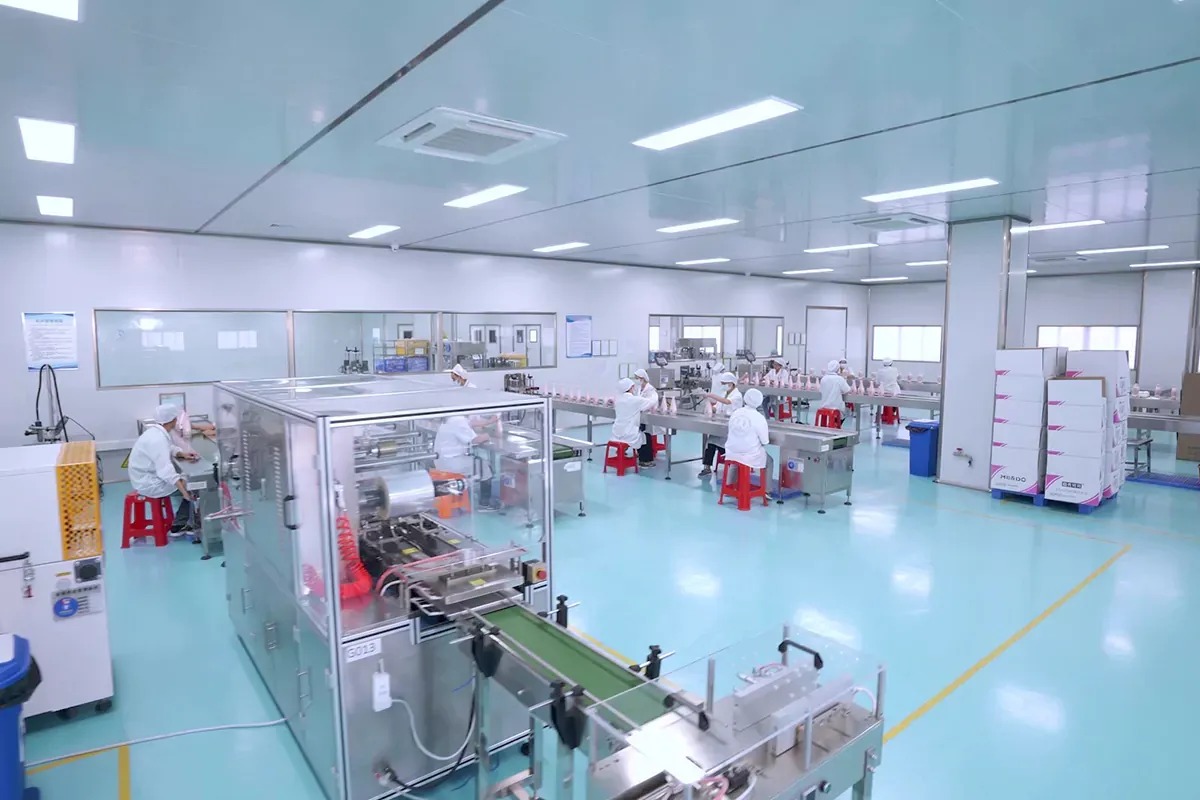
BonnieCo is a China-based cosmetics manufacturer that states it has experience serving customers in more than 80 countries. Its international experience can be a useful starting point for overseas brands exploring private label and OEM/ODM manufacturing.
Working with a Manufacturing Partner
BonnieCo highlights GMPC and ISO 22716 credentials relevant to cosmetics manufacturing and quality management. Buyers should review the current certificates and their scope to understand which facilities and activities they cover.
When evaluating BonnieCo or another manufacturing partner, discuss your target markets, intended product claims, packaging plans, and documentation needs early. This gives both sides a clearer understanding of the project before production begins.
For brands seeking a Private Label Skincare Manufacturer, this early communication can help align product development with export plans. It also allows buyers to ask practical questions about ingredient information, available manufacturing documents, and support for market-specific Cosmetic Labeling Requirements.
The key is to treat compliance as a shared planning process, with each party’s responsibilities clearly defined.
Conclusion
Expanding into international markets offers beauty brands exciting opportunities, but understanding Cosmetic Regulations is an important part of making that expansion successful. From EU safety assessments and US MoCRA obligations to local notification systems in Southeast Asia and country-specific requirements in the Middle East, every destination deserves careful attention.
Start by identifying your target markets, checking ingredient restrictions, reviewing labels, and confirming documentation needs before production. Working with an experienced OEM Cosmetics Manufacturer or ODM Skincare Manufacturer can help you prepare, provided that responsibilities are clearly agreed upon.
Planning your next skincare or cosmetics launch? Contact BonnieCo to discuss your product ideas, target markets, and OEM/ODM manufacturing needs. Our team can help you explore your project requirements and identify the information needed to plan your next step.
Frequently Asked Questions
1. What are Cosmetic Regulations?
Cosmetic Regulations are rules that govern cosmetic ingredients, product safety, labeling, manufacturing, and market access. The exact requirements depend on the country and product category.
2. Do cosmetic products need registration before export?
Not always in the same way. Some markets require notification, others require registration or additional procedures, and some impose different obligations depending on the product. Check the rules for each destination before shipping.
3. What are the main Cosmetic Labeling Requirements?
Common requirements include ingredient lists, product identification, batch details, quantity, warnings where applicable, and responsible business information. Language and other label rules vary by market.
4. Can an OEM manufacturer help with Cosmetic Compliance?
Yes. An OEM manufacturer may provide ingredient information, product specifications, and manufacturing documents and help coordinate label preparation. However, regulatory approval and legal responsibilities depend on the market and the parties involved.
5. How do I choose a manufacturer for international cosmetic exports?
Look for relevant manufacturing experience, clear communication, appropriate quality credentials, and access to the documents your project requires. Ask about destination-market experience and confirm responsibilities before production.