

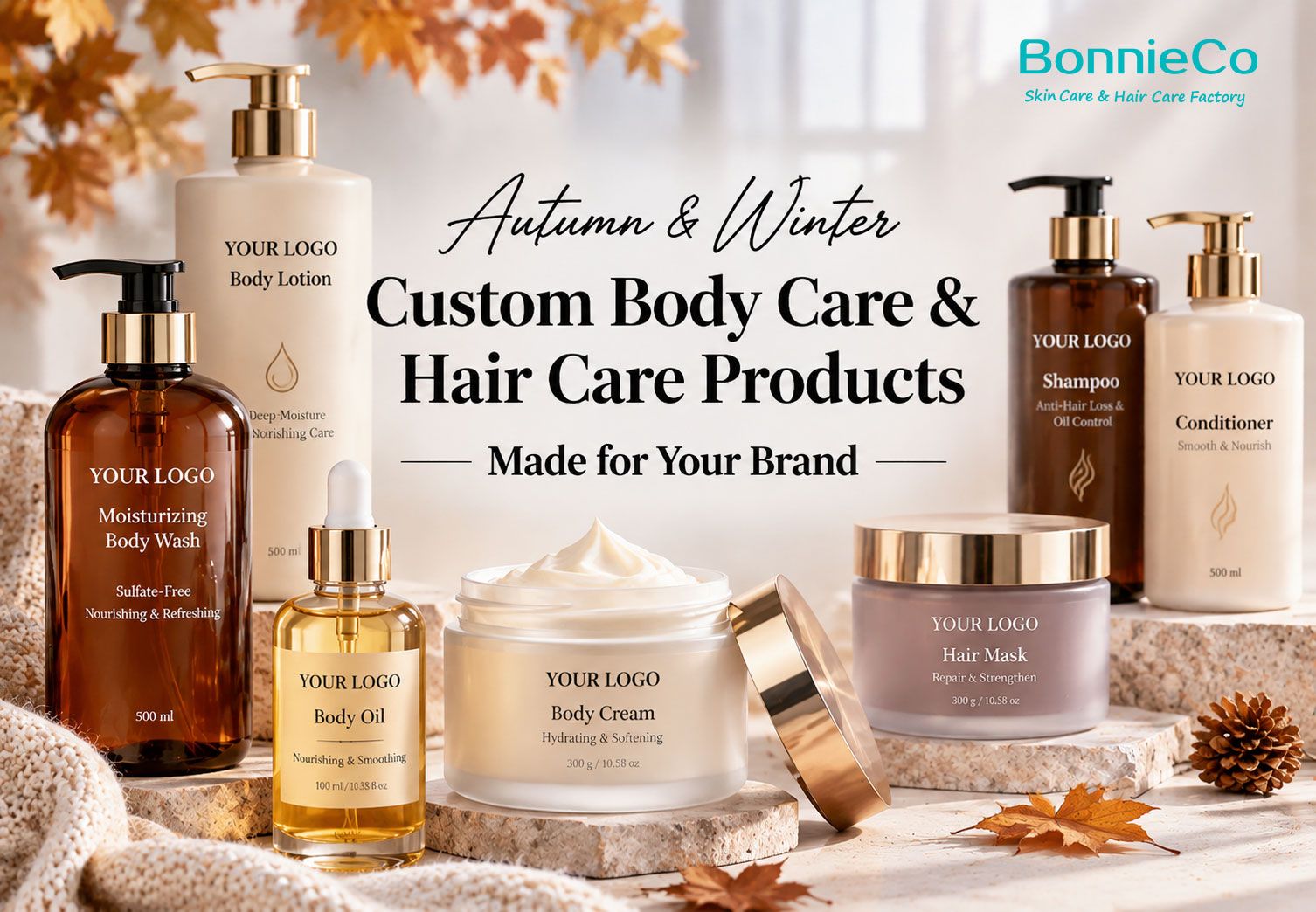
Autumn and winter create new opportunities for beauty brands to expand their body care collections. As temperatures change, consumer preferences often shift towards richer creams, moisturizing lotions, body oils, and products with warm seasonal fragrances. For overseas brands, importers, and wholesale buyers, this is a good time to explore new product ideas and plan seasonal launches.
However, developing a successful collection involves more than selecting popular products. Brands must consider formulation options, textures, fragrance preferences, packaging designs, target prices, and expected order quantities.
Working with an experienced private label body care manufacturer can help businesses turn these ideas into products that match their brand identity and market needs. So, how should brands approach autumn and winter body care development?
Why Autumn and Winter Are Ideal for Planning Body Care Product Lines
Seasonal changes can influence what customers look for in body care products. During colder months, demand may shift towards products with richer textures, moisturizing ingredients, and comforting fragrance profiles.
For brand owners and importers, this creates an opportunity to review existing product portfolios. A brand that mainly sells lightweight summer lotions, for example, could introduce richer body creams, nourishing oils, or seasonal gift sets.
Planning should also consider the target market. Buyers serving colder regions may prefer richer product concepts, while brands selling across different climates might need both lightweight and intensive moisturizing options.
Another important factor is timing. Product development involves formulation discussions, sample testing, packaging approval, and production arrangements. Starting early gives brands more time to review samples and organize inventory before seasonal demand increases.
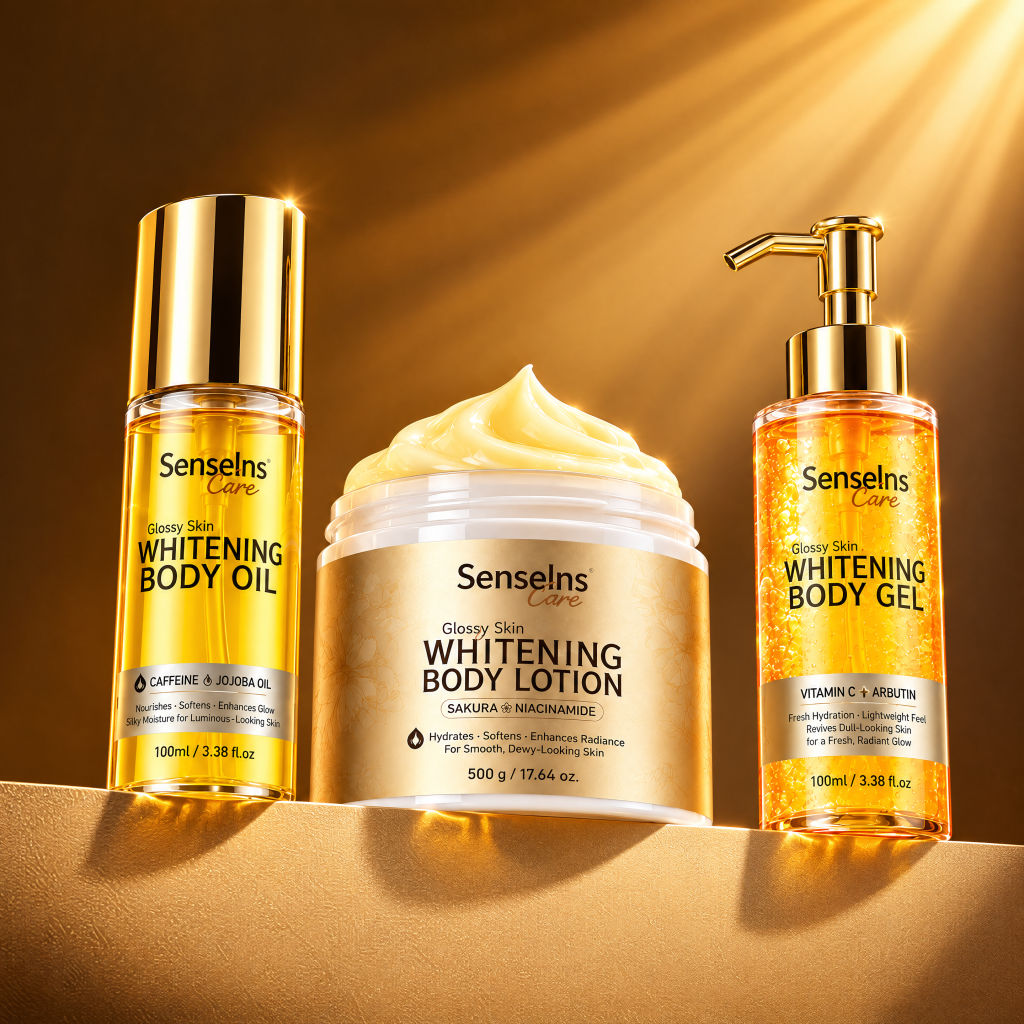
Trending Product Categories for Autumn/Winter Body Care
Once the seasonal opportunity is clear, which products should brands include? The best approach is to select products that complement each other while meeting different customer preferences and price points.
Body Lotions for Everyday Collections
Body lotions are useful foundation products for many body care ranges. Brands can choose lightweight emulsions for everyday use or richer formulations for seasonal positioning.
A professional body lotion manufacturer can help buyers explore different viscosities, ingredient combinations, fragrances, and packaging options.
Body Creams and Butters for Premium Ranges
Body creams and butters offer opportunities for brands targeting customers who prefer richer product textures. They can also support premium collections and seasonal gift sets.
A body cream manufacturer can develop different consistency options according to the desired product concept and application experience.
Body Oils for Product Variety
Body oils add another dimension to a seasonal collection. Brands can explore different oil blends, fragrance profiles, and levels of richness to create products with distinct positioning.
Working with a body oil manufacturer also allows buyers to discuss suitable dispensing systems, bottle materials, and packaging capacities.
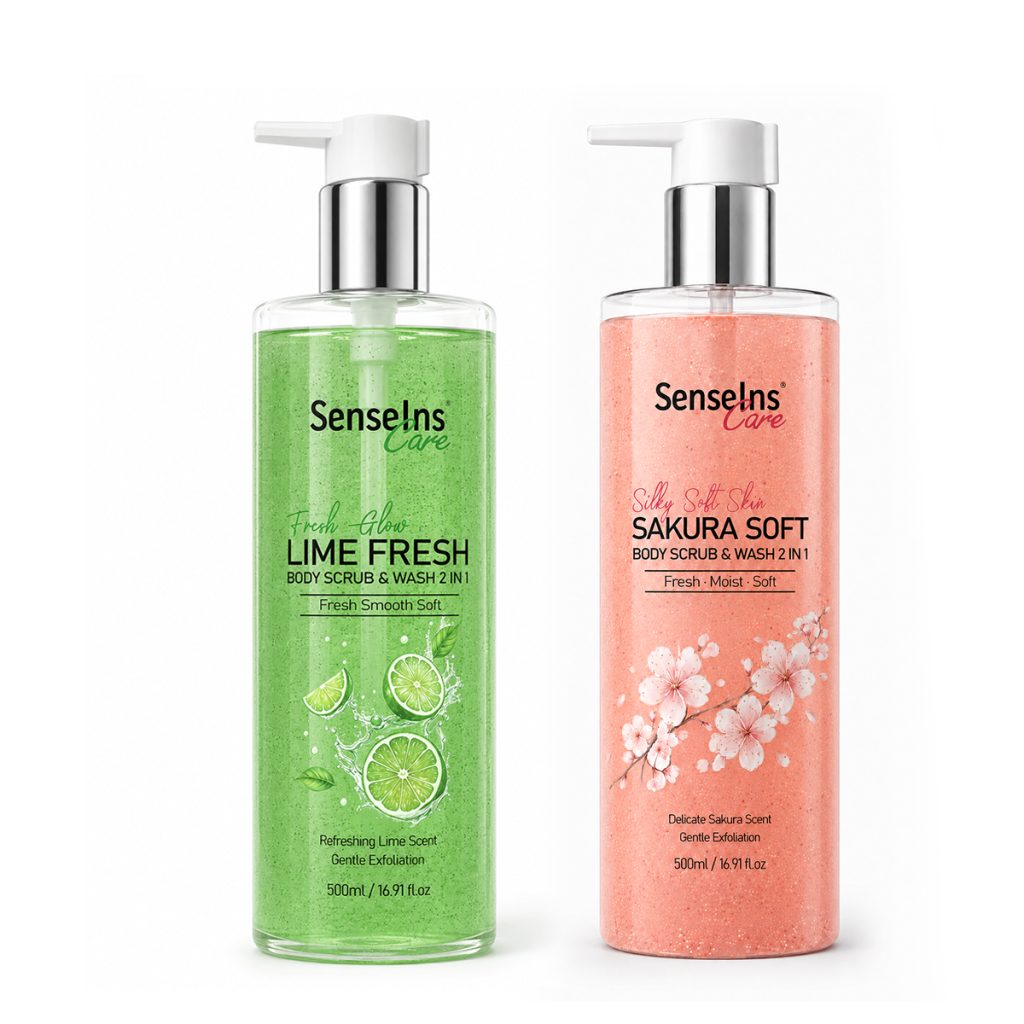
Body Scrubs for Complete Product Lines
Body scrubs can complement lotions, creams, and oils. Brands may choose sugar-based, salt-based, or other exfoliating formulations with different particle sizes.
For wholesale buyers, combining these products can create attractive product sets. For example, a collection containing a body scrub, body lotion, and body oil provides several related products under one brand identity.
Brands can also develop different price tiers, from basic two-product sets to premium collections with four or more products.
Developing Different Textures for the Same Product
Choosing product categories is only the first step. Texture development is equally important because it affects application, spreading, absorption, and overall product positioning.
Brands do not always need completely different products to create variety. They can explore multiple textures within the same category.
Lightweight Lotions and Silky Emulsions
Lightweight lotions spread easily and may suit brands targeting everyday body care users. Silky emulsions offer another option for businesses looking for a smoother application experience.
Manufacturers can adjust formulation components to explore different viscosities and skin feel. Buyers should compare samples before selecting the final direction.
Rich Creams and Body Butters
Thicker creams and body butters can support a more luxurious product concept. Brands can request different levels of density, spreadability, and richness according to their positioning.
Different Oil Textures
Body oils can also vary in flow, richness, and finish. Some brands may prefer lighter formulations, while others may want a richer oil-based product.
Ingredient selection and sample evaluation help determine whether the final texture meets the intended product concept.
Customized Scrub Granularity
Scrubs can be developed with fine, medium, or larger exfoliating particles. The choice depends on the desired application experience, formula stability, and target positioning.
For B2B buyers, it is important to test particle distribution, texture consistency, and packaging compatibility before approving a sample.
Customization of Formulations, Fragrances, and Packaging
After selecting product categories and textures, brands can focus on customization. This is where a cosmetic OEM manufacturer can help businesses develop products that reflect their own market positioning.
Ingredient and Formulation Customization
Brands can discuss moisturizing agents, botanical extracts, oils, and other ingredients with their manufacturing partner.
The formulation should reflect the intended product benefits, target market regulations, stability requirements, and budget. Buyers should also confirm ingredient suitability and any required product testing.
Fragrance and Color Selection
Fragrance can help create a recognizable seasonal collection. Vanilla, floral, woody, fruity, and warm fragrance profiles are possible directions for autumn and winter products.
Brands can also select product colors that match their visual identity. However, fragrance and color choices should be evaluated through samples before final approval.
Packaging Design and Selection
Packaging affects product presentation, usability, shipping, and cost. Different products may require different dispensing solutions.
For example:
Pump bottles can be considered for body lotions.
Jars may suit thicker creams and body butters.
Dropper or dispensing bottles may work for selected body oils.
Tubes and jars offer options for body scrubs.
Brands can also customize bottle shapes, capacities, labels, printing, and outer packaging.
The key is to balance appearance with practicality. Packaging availability, minimum order quantities, shipping needs, and target prices should all be considered before making a final decision.
How to Advance Product Development with an OEM/ODM Manufacturer
With the product concept and customization requirements in place, the next step is selecting a manufacturing partner.
A reliable cosmetic ODM manufacturer should be able to support the development process from the first discussion to mass production.
Step 1: Share Your Product Requirements
Provide your target market, preferred product categories, reference images, and expected retail price. This helps the manufacturer understand your business goals.
Step 2: Confirm Formulation and Specifications
Discuss ingredients, textures, fragrances, product capacities, and packaging preferences. Confirm the specifications for each SKU before requesting final samples.
Step 3: Evaluate Product Samples
Review the samples for appearance, fragrance, texture, application, and consistency. Request adjustments if the formulation does not match your expectations.
Step 4: Approve Packaging and Pricing
Confirm packaging materials, designs, printing, minimum order quantities, and production costs. Request a clear quotation based on the agreed specifications.
Step 5: Confirm Production Arrangements
After approving the formula and packaging, confirm order quantities, production schedules, quality requirements, and delivery arrangements.
To make the process more efficient, buyers should prepare an estimated SKU list and procurement volume in advance. This helps manufacturers suggest suitable production and packaging solutions.
Why Choose BonnieCo for Custom Body Care Product Development?
Choosing the right cosmetic manufacturer in China can make a difference when developing a seasonal product collection. Overseas buyers need a partner with suitable R&D resources, production capacity, and customization experience.
BonnieCo Group brings over 15 years of experience in the beauty manufacturing industry, providing integrated OEM, ODM, and private label services.
The company operates a 50,000㎡ self-owned factory in Foshan, China, supported by a 15-member R&D team and more than 20,000 proven custom formulations.
Its capabilities cover product research, formulation development, manufacturing, and packaging solutions. This gives brands opportunities to explore different body care categories, including lotions, creams, oils, and scrubs.
BonnieCo also has quality management systems verified against ISO 22716 and GMPC standards. Its manufacturing processes include raw material measurement, emulsification, semi-finished product inspection, filling, microbiological inspection, and final product inspection.
For international brand owners, importers, and wholesalers, BonnieCo provides one-stop OEM/ODM services to support the development of customized body care collections.
Conclusion
Developing an autumn and winter body care collection requires careful planning, from choosing the right product categories to selecting suitable textures, formulations, fragrances, and packaging.
For brands, the goal is to create a product range that matches customer preferences while meeting commercial requirements such as budget, order volume, and market regulations.
With the right manufacturing partner, these decisions become easier to manage. Planning your next seasonal collection? Contact BonnieCo to discuss your product ideas, explore customization options, and develop body care products that fit your brand’s needs.
Frequently Asked Questions
1. Which body care products are suitable for autumn and winter?
Body lotions, rich creams, body butters, nourishing oils, and exfoliating scrubs are suitable options for seasonal collections.
2. Can brands customize body care product textures?
Yes. Manufacturers can develop different lotion viscosities, cream consistencies, oil textures, and scrub particle sizes.
3. Can I order a complete private label body care collection?
Yes. Brands can combine lotions, creams, oils, and scrubs into coordinated product sets, subject to the manufacturer’s order requirements.
4. What information should I provide to an OEM manufacturer?
Share your target market, product references, preferred formulations, packaging ideas, estimated SKUs, and expected order quantities.