

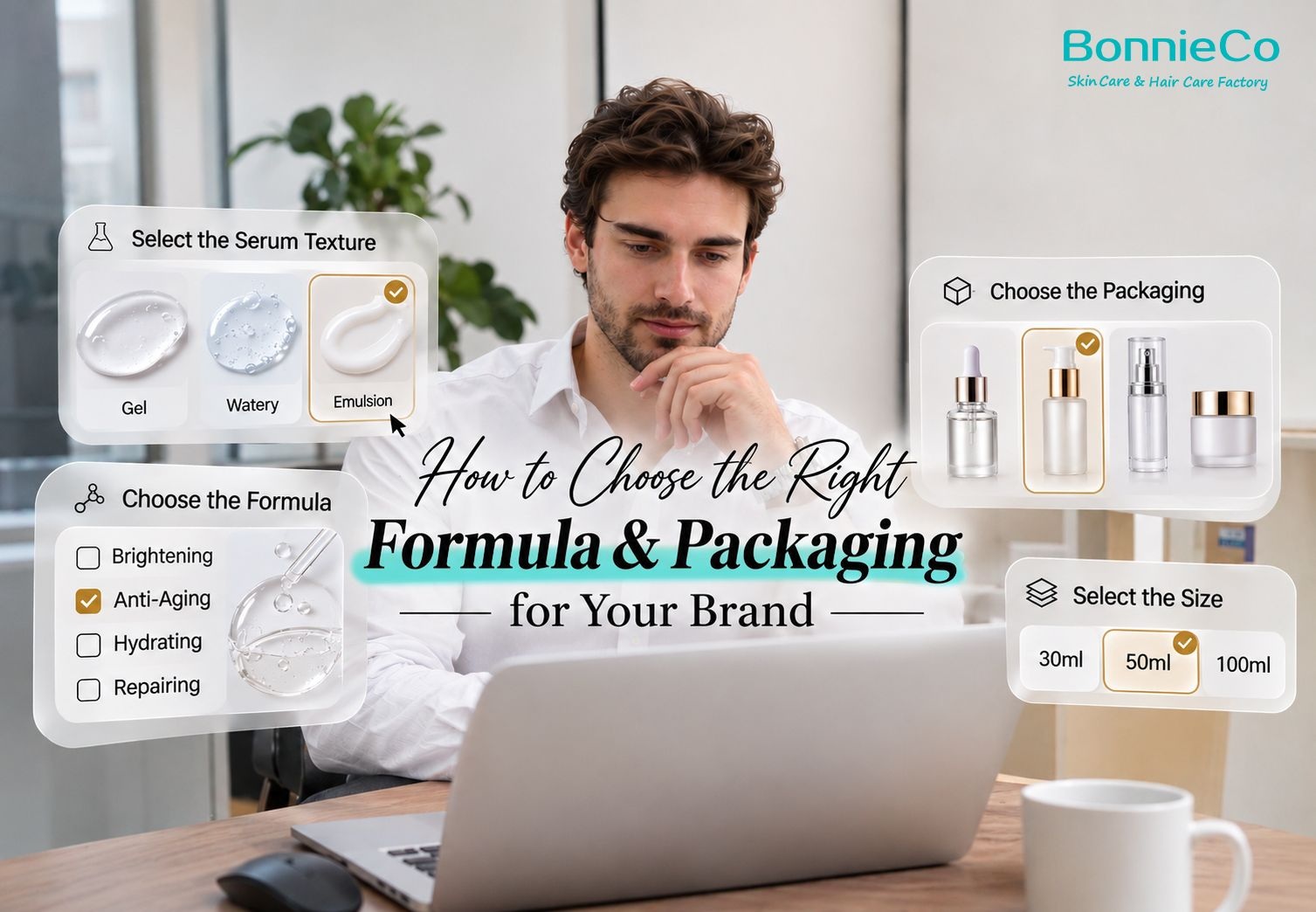
Launching a serum or face cream line involves more than choosing attractive packaging or adding popular ingredients. Brands must consider product positioning, formulation, texture, and packaging to create products that match their market needs and business goals.
For skincare brand owners, importers, and wholesale buyers, these decisions can affect product quality, customer satisfaction, and production costs. Working with an experienced private label serum manufacturer can make the development process easier. But where should you start? Let’s look at the key
decisions involved in developing serums and face creams for your brand.
Positioning of Serums and Creams within a Product Portfolio
Before selecting formulas, you need to understand the role each product will play in your skincare range. Serums and face creams are often developed together, but they serve different purposes in a product portfolio.
Understanding the Different Roles
Serums are commonly positioned as targeted skincare products. Brands may develop them around specific concepts, such as hydration, brightening, or skin renewal. Their lightweight textures and selected active ingredients help create a distinct product identity.
Face creams usually focus on moisturization, skin conditioning, and supporting the skin barrier. They can also complement the benefits and positioning of a serum.
Individual Products or Complete Sets?
Some brands launch individual serums or creams to test market demand before expanding their range. Others develop coordinated serum-and-cream sets to offer a more complete product collection.
For example, a brand might introduce a lightweight hydrating serum alongside a matching face cream. This creates a connected product range and offers additional opportunities for product bundles.
An experienced face cream manufacturer can help you develop a cream that complements your serum in terms of formulation, texture, and positioning.
Once you have decided which products belong in your range, the next step is choosing their textures.
Common Serum Textures and Development Approaches
Serum texture affects how a product spreads, feels, and fits its intended market. It also influences ingredient selection and formulation methods. As a brand owner, you should choose a texture that supports your product concept rather than simply following popular trends.
Aqueous or Water-Like Formulas
Water-like serums have a thin consistency and spread easily. They are suitable for brands looking to develop lightweight skincare products. During formulation, manufacturers must consider ingredient solubility, viscosity, pH, and preservation.
Fluid Emulsions
Fluid emulsions combine water and oil phases to create a light, milky texture. They offer more flexibility when working with ingredients that have different solubility requirements. Brands can use them to develop products with a balance of hydration and emolliency.
Gel Serums
Gel serums have a thicker consistency and a smooth application feel. Their texture depends on the selection of suitable gelling agents and their compatibility with other ingredients. Manufacturers must also evaluate viscosity and product stability.
Facial Oils
Facial oil serums use selected oils and oil-soluble ingredients. They are often positioned as premium or nourishing products. Oil quality, oxidation control, and packaging compatibility are important considerations during development.
When choosing a private label serum manufacturer, ask whether it can adjust texture, viscosity, spreadability, and other sensory features according to your requirements.
But serums are only one part of the picture. What about selecting the right texture for your face cream?
Common Cream Textures and Sensory Profiles
Face creams are available in different textures, from lightweight formulas to rich emulsions. The right choice depends on your target audience, market demand, product positioning, and expected price range.
Lightweight Creams
Lightweight creams spread easily and leave a less heavy feel. They are often suitable for brands targeting markets where customers prefer simple, everyday skincare products.
Gel-Creams
Gel-creams combine features of gels and traditional creams. They offer a fresh, lightweight texture and can be a good choice for brands targeting warm climates or customers who prefer less rich products.
Standard Emulsions
Standard emulsions balance water and oil phases to create smooth, creamy textures. They provide flexibility in formulation and can be adjusted to meet different product requirements.
Rich and Intensive Creams
Rich creams generally use selected emollients and structuring ingredients to create a thicker, more nourishing sensory profile. They are commonly used in premium skincare ranges and products positioned for intensive moisturization.
When developing a custom face cream formula, consider the target market and the experience your brand wants to offer. A professional face cream manufacturer should be able to adjust the texture according to your product brief.
However, texture alone cannot determine product quality. Ingredient selection and formulation compatibility are equally important.
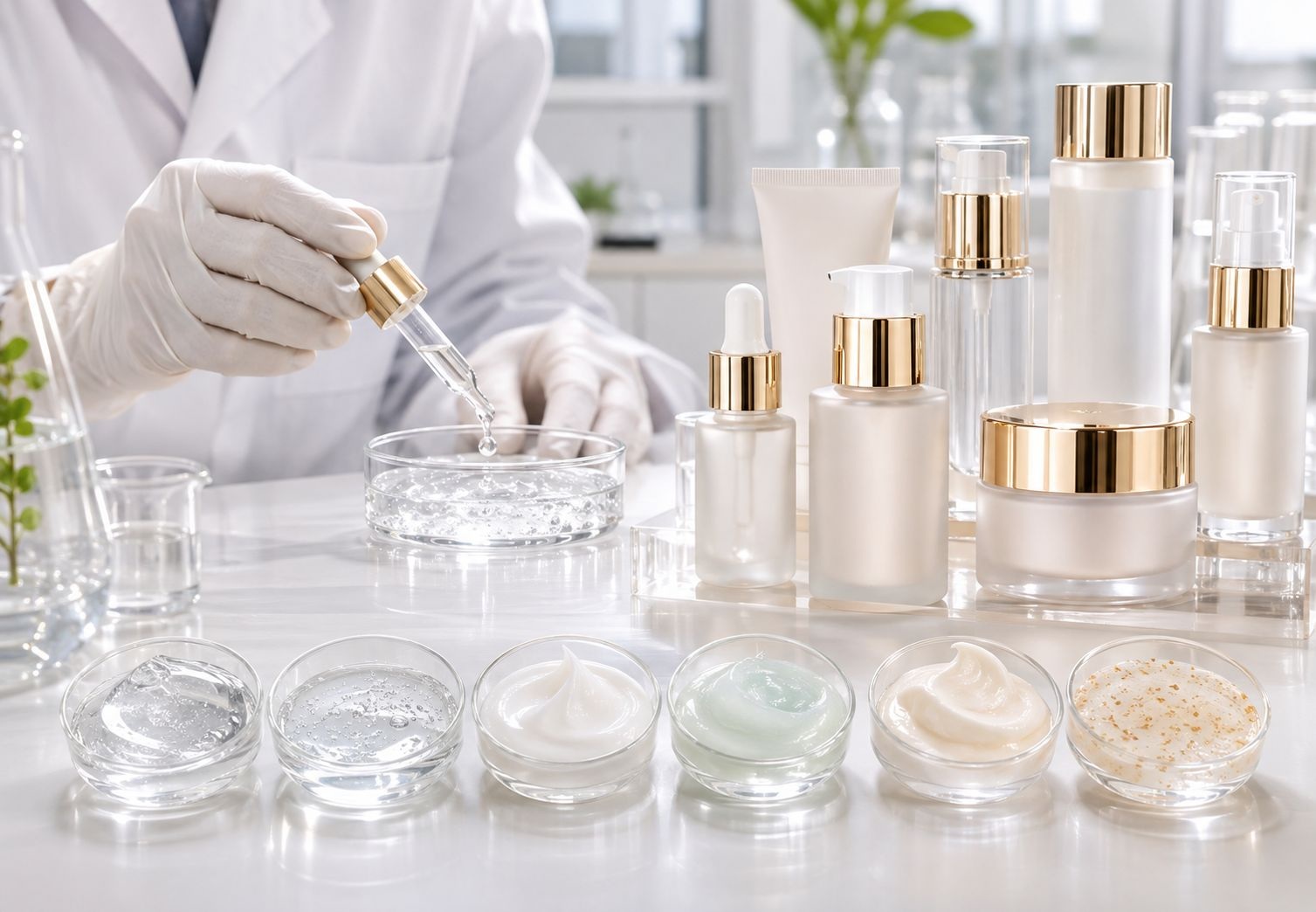
Ingredient Selection and Formulation Compatibility
Many brands approach manufacturers with a list of ingredients they want to include. However, adding trending ingredients does not automatically guarantee product efficacy. Each ingredient must work properly within the complete formulation.
A reliable custom skincare manufacturer should evaluate several factors before confirming the final formula.
Raw Material Specifications
Manufacturers need to review ingredient quality, purity, recommended usage levels, supplier documents, and storage conditions. These details help determine whether the raw materials are suitable for the intended product.
Formulation System Compatibility
Some ingredients dissolve in water, while others require oil-based systems. Certain combinations may also affect pH, color, viscosity, or texture. The formulation must be designed around these requirements.
Product Stability and Preservation
Manufacturers should assess changes in appearance, odor, viscosity, and other important properties during stability testing. They must also select a suitable preservative system based on the formula, packaging, and microbiological requirements.
Product Claim Substantiation
If a brand wants to make claims about hydration, brightening, or other product benefits, suitable supporting evidence is important. Ingredient documentation and relevant product testing can help support
these claims.
BonnieCo offers more than 200 existing formulas and customized formulation services. Its R&D team can work with brands to explore suitable formulation options based on their product requirements.
After finalizing the formula, another important decision comes into focus: choosing packaging that works with the product.
Selecting Packaging for Serums and Face Creams
Packaging influences product protection, dispensing, convenience, appearance, and production costs. Therefore, it should be selected alongside the formulation rather than treated as a final design decision.
Working with an experienced cosmetic packaging manufacturer can help brands find suitable containers that match their formulas and branding requirements.
Dropper Bottles
Dropper bottles are commonly used for liquid serums and facial oils. They offer controlled dispensing and a clean product presentation. However, brands should evaluate leakage risks, material compatibility, and whether the dropper works with the formula’s viscosity.
Airless Pump Bottles
Airless pumps are suitable for many serum and cream formulations. They can reduce repeated exposure to air and provide controlled dispensing. Pump performance and product evacuation should be tested before approval.
Press-Dispenser Bottles
Press dispensers offer convenient application and measured dispensing. Their suitability depends on product thickness, dispenser design, and formula compatibility.
Tubes and Jars
Tubes are practical for creams and gel-creams because they are portable and easy to use. Jars offer a premium appearance and are widely used for face creams, although repeated opening exposes the product to the surrounding environment.
Before selecting packaging, consider capacity, material quality, airtightness, ease of use, decoration options, minimum order quantities, and total costs.
A cosmetic OEM manufacturer or cosmetic ODM manufacturer should help coordinate packaging selection with product development. BonnieCo also supports packaging sourcing, customized printing, silk-screen decoration, and hot stamping to help brands create packaging that reflects their identity.
Once the formula and packaging are selected, how can you make sure everything meets your expectations before mass production? This is where sampling and approval become essential.
The Sampling and Approval Process

Sampling allows brands to review the actual product before committing to large production orders. It also gives manufacturers a clear understanding of the desired texture, fragrance, packaging, and product specifications.
Step 1: Provide Reference Samples
Share existing products or samples that represent your preferred texture, appearance, and sensory experience. You should also provide a clear product brief covering ingredients, target market, and positioning.
Step 2: Define Texture and Fragrance
Review the manufacturer’s initial samples and provide feedback on consistency, spreading, fragrance, color, and overall feel. Request adjustments where necessary.
Step 3: Evaluate Packaging Materials
Test the selected bottles, pumps, tubes, or jars with the actual formulation. Check dispensing performance, leakage, closure quality, and material compatibility.
Step 4: Finalize Product Specifications
Confirm the approved formula, ingredient specifications, fragrance, packaging materials, capacity, decoration, and labeling requirements.
Step 5: Approve Before Mass Production
Both the product and its packaging should receive final approval before production begins. This helps reduce unexpected changes, delays, and additional costs.
BonnieCo provides integrated OEM and ODM services covering concept development, formulation, packaging, manufacturing, filling, inspection, and shipment. Its ISO 22716 and GMPC quality management systems support its production and quality-control processes.
Conclusion
Selecting the right serum and face cream formulas, textures, and packaging requires careful planning. Every decision should match your brand positioning, target market, product requirements, and budget.
Working with an experienced private label serum manufacturer can make product development easier, especially when you need support with formulation, packaging, and production.
With over 15 years of cosmetics manufacturing experience, more than 200 existing formulas, and customized OEM, ODM, and private-label services, BonnieCo helps brands turn product ideas into finished skincare collections.
Planning to launch your own serum or face cream range? Get in touch with BonnieCo to discuss your formulation ideas, packaging preferences, and manufacturing requirements. Let’s work together to develop products that fit your brand and market goals.
Frequently Asked Questions
1. How do I choose a private label serum manufacturer?
Look for experience in formulation development, ingredient compatibility, packaging customization, quality management, and production.
2. Can I request a custom face cream formula?
Yes. You can discuss preferred ingredients, texture, fragrance, and product positioning with a manufacturer to explore a suitable customized formula.
3. Which packaging is suitable for face creams?
Tubes, jars, and airless pumps are common options. The best choice depends on formula compatibility, capacity, product positioning, and budget.
4. Can I provide my own formula and packaging?
Yes. BonnieCo supports customer-provided formulas, raw materials, and packaging, subject to technical evaluation and production requirements.