


The skincare industry is constantly changing, with new ingredients creating fresh opportunities for beauty brands. PDRN, peptides, and retinal are three ingredients attracting attention in modern skincare product development. They offer brands new ways to create serums, creams, and ampoules that match changing customer interests.
However, choosing a trending ingredient is only the first step. Brands must also consider raw material quality, formulation, packaging, product stability, and target market requirements. A popular ingredient does not automatically make a successful product.
So, how can brands turn these ingredients into market-ready products? Let’s explore the key considerations.
Transforming Trending Ingredients into Product Development Opportunities
Before choosing an ingredient, brands need a clear product development plan. This means understanding their target customers, market position, product category, and budget. These decisions help determine which ingredients and product formats are suitable for the project.
Understand Your Target Market
Are you developing premium skincare, daily-use products, or a specialized skincare collection? Your answer will influence the formula, texture, packaging, and product positioning.
Brands should also research the regulations of their target markets. Ingredient restrictions, labeling rules, and cosmetic claims can vary between countries. Checking these requirements early can help prevent problems later.
Choose the Right Product Format
The same ingredient can be used in different product formats. For example, brands may consider a PDRN serum, peptide cream, or retinal night serum.
Each format has different formulation needs. A serum may require a lightweight texture, while a cream may need a richer feel. Working with a private label skincare manufacturer can help brands turn these ideas into suitable products through custom skincare formulation.
But what should brands check before selecting a specific ingredient?
Key Considerations for PDRN Product Development
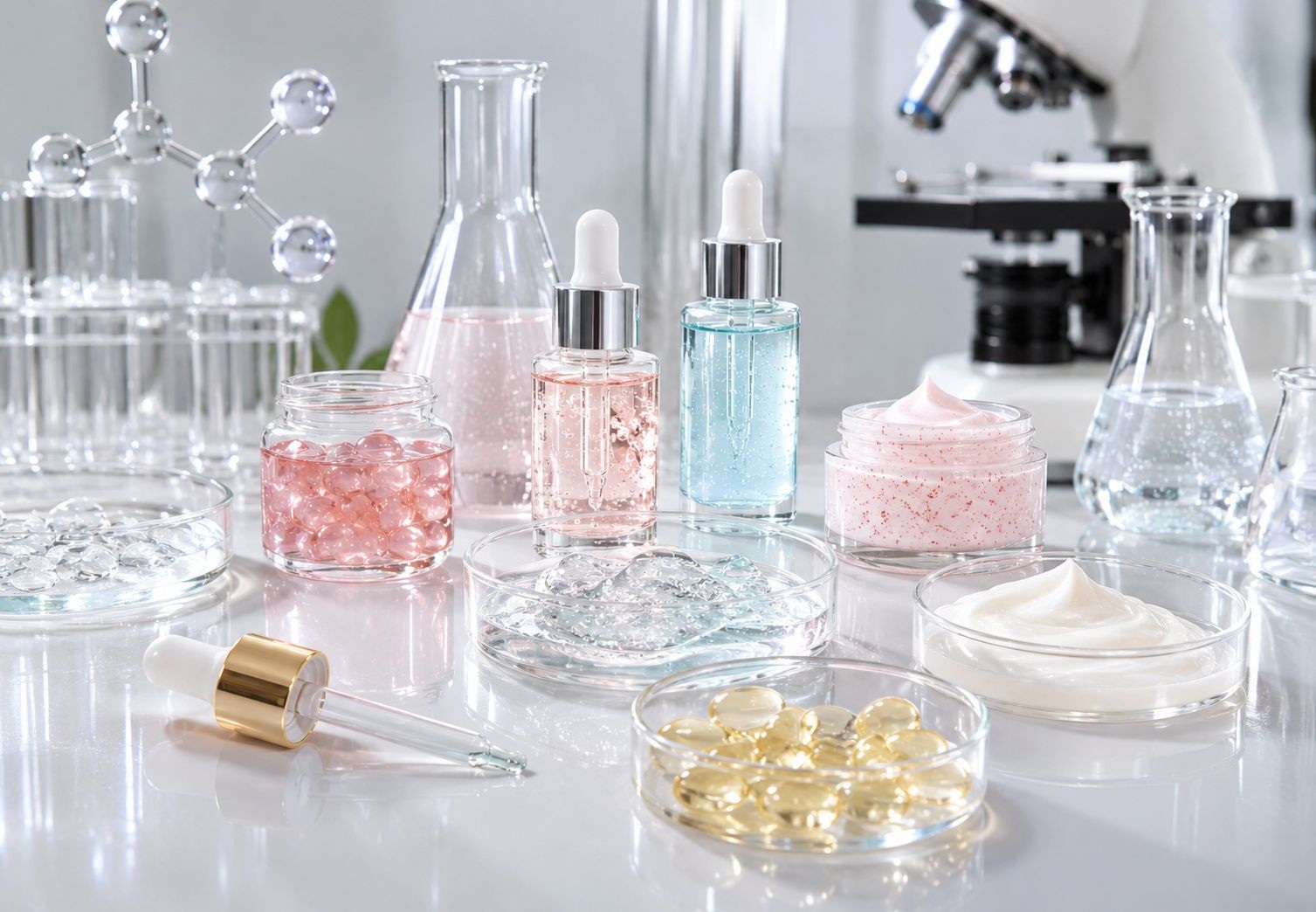
PDRN is attracting interest among brands exploring new skincare concepts. It can be considered for serums, ampoules, and creams, depending on the raw material and formulation requirements. However, selecting the right material requires careful evaluation.
Check Raw Material Quality
Not all raw materials are the same. Brands should request information about the ingredient’s source, composition, purity specifications, storage conditions, and quality standards.
Supplier documentation is equally important. Technical data, safety information, and relevant quality records help formulators understand whether a material is suitable for the intended product.
An experienced PDRN skincare manufacturer should support raw material evaluation and provide the necessary technical information.
Evaluate Formulation Compatibility
PDRN should be assessed as part of the complete formula. Its compatibility with other ingredients, pH conditions, processing methods, and preservation systems needs attention.
For example, a PDRN serum may have a lightweight texture, while a cream may combine the ingredient with moisturizing components.
Brands must also ensure that finished-product claims are supported by suitable evidence. Information about an individual ingredient does not automatically prove the performance of the final product.
PDRN requires careful material selection. Peptides need similar attention, especially because different peptide types have different formulation requirements.
Formulation Planning for Peptide-Based Products
Peptides are not a single ingredient. They are a broad group of materials with different structures and properties. Therefore, brands should identify the exact peptide they want to use before starting development.
Select the Right Peptide
The first step is reviewing supplier information, including peptide type, recommended usage level, solubility, storage conditions, and compatibility.
Formulators should also check how the peptide interacts with other ingredients. Some materials may require specific pH conditions or careful temperature control.
A professional peptide skincare manufacturer can help brands compare suitable materials and select options that match their product goals.
Develop Serums and Creams Differently
A peptide serum and a peptide cream may use the same ingredient but require different formulas.
A serum can focus on lightweight texture and smooth application. A cream may combine peptides with oils, emollients, and moisturizing ingredients to create a richer product.
For brands exploring custom peptide and retinal skincare formulation, discussing these differences with the manufacturing partner early can make development more organized.
But what if a brand wants to develop a retinal product? In this case, stability becomes an especially important consideration.
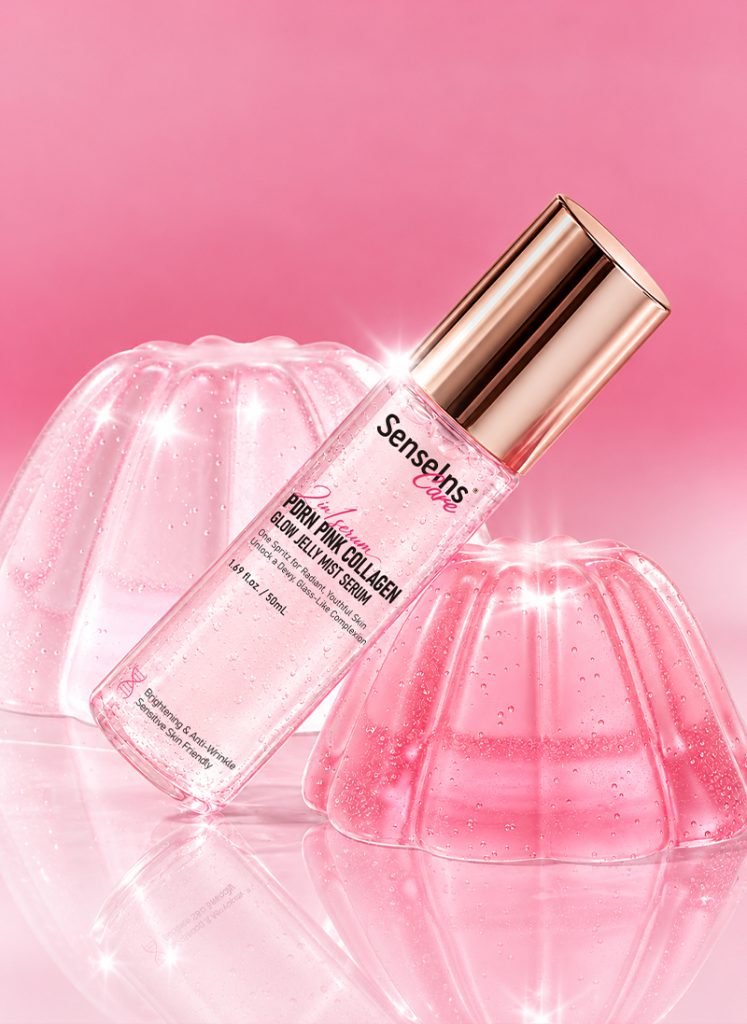
Considerations for Retinal Product Development
Retinal, also known as retinaldehyde, is used in cosmetic skincare formulations. Brands may explore it for night serums, creams, and other skincare products. However, its sensitivity to environmental conditions requires careful formulation planning.
Focus on Formula Stability
Retinal can be sensitive to light, oxygen, and heat. Poor handling or unsuitable formulation conditions may affect product quality.
Formulators should review processing conditions, ingredient compatibility, storage requirements, and stability throughout the intended shelf life.
A retinal serum may require a carefully designed formula, while a cream may need a different approach to maintain its desired texture and quality.
Choose Suitable Packaging
Packaging is more than a branding decision. It can help protect the formula and improve the product experience.
Opaque bottles and airless pumps may be considered depending on the formulation and stability results. Brands should evaluate packaging alongside formula development rather than leaving it until the final stage.
A reliable retinal skincare manufacturer should also help review product directions, warnings, ingredient restrictions, and labeling requirements for each target market.
Product claims must remain within cosmetic regulations. Avoid medical terms such as treating or curing skin conditions. Claims should be realistic and supported by appropriate evidence.
Once the ingredient and formulation requirements are clear, how can brands bring everything together into a complete product range?
Developing a Complete Product from an Ingredient Concept
Turning an ingredient idea into a finished skincare product requires planning at every stage. Brands need to consider the formula, texture, packaging, quality checks, and market requirements.
Follow a Clear Development Process
A typical skincare product development project includes several steps:
- Ingredient selection: Choose PDRN, peptides, retinal, or a suitable combination based on the product concept.
- Product format: Decide whether to develop a serum, ampoule, cream, or another format.
- Formula development: Define the desired texture, appearance, and ingredient combination.
- Packaging selection: Choose suitable bottles, jars, pumps, and other materials.
- Sample evaluation: Review samples for texture, appearance, application, and overall quality.
- Quality and regulatory checks: Assess stability, safety, packaging compatibility, and labeling requirements.
Brands can also expand one ingredient concept into a complete collection. For example, a PDRN range could include a serum and cream duo. The serum could have a lightweight texture, while the cream could offer a richer application experience.
For brands wondering how to develop private-label PDRN skincare products, working with an experienced manufacturer can make the process easier to manage.
How BonnieCo Supports Custom Skincare Development
Developing products with trending ingredients requires suitable technical knowledge and manufacturing resources. BonnieCo supports brands looking to create customized skincare collections through OEM, ODM, and private-label services.
With more than 15 years of manufacturing experience, Guangzhou BonnieCo Cosmetic Co., Ltd. provides product development and manufacturing support for international beauty businesses.
BonnieCo has a professional R&D team of 15 members, including eight formulators with over 10 years of experience. It also has a library of more than 20,000 proven, customizable formulas and an annual R&D investment exceeding RMB 2 million.
Its services cover several important stages:
- Formula development: Creating or adjusting formulas according to brand requirements.
- Product customization: Supporting projects based on selected samples, existing formulas, or client-provided raw materials.
- Packaging solutions: Helping clients select containers, labels, boxes, and other packaging materials.
- Manufacturing and filling: Supporting production, filling, and packing.
- Quality management: Following established quality management systems, including ISO 22716 and GMPC, as stated in the company’s supplied information.
- Export support: Arranging international shipments according to project requirements.
Whether you need a PDRN skincare manufacturer, peptide skincare manufacturer, or retinal skincare manufacturer, an integrated manufacturing partner can help simplify product development.
Conclusion
PDRN, peptides, and retinal offer interesting opportunities for brands exploring new skincare products. However, successful development depends on more than ingredient popularity. Raw material quality, formulation compatibility, stability, packaging, and regulatory requirements all need careful attention.
Working with an experienced private label skincare manufacturer can help turn an ingredient concept into a finished product. From initial formulation to packaging and production, the right partner can support brands throughout the process.
Planning your next skincare collection? Contact BonnieCo to discuss your ideas and explore customized OEM/ODM solutions. Let’s work together to develop products that fit your brand and your market.
Frequently Asked Questions
1. What products can be developed with PDRN?
PDRN can be considered for serums, ampoules, and creams, depending on raw material suitability and formulation requirements.
2. Can peptides be used in both serums and creams?
Yes. The formula should be adjusted according to the peptide type, product texture, and ingredient compatibility.
3. Why work with an OEM/ODM manufacturer?
A manufacturer can support formulation, sampling, packaging, quality checks, and production, making product development easier to manage.