


Managing multiple cosmetic products in one bulk order can be challenging. Each product may have a different formula, packaging style, production process, and delivery requirement. Without proper planning, even a large order can face delays, material shortages, or quality issues.
This is why multi sku cosmetic manufacturing requires careful coordination before production begins. From preparing product specifications to arranging materials and scheduling production, every step matters. At BonnieCo, we understand the needs of beauty brands managing bulk orders. With 15 years of manufacturing experience, we help clients coordinate different products through our one-stop OEM and ODM services.
So, how can brands make the entire process smoother? Let’s look at the key steps.
1. Why Multi-SKU Orders Require Advance Planning
Ordering several cosmetic products at once may seem like a simple way to save time. However, each SKU brings its own production needs. For example, a skincare order may include cleansers, serums, moisturizers, and face masks. These products do not always share the same formulas, raw materials, or filling requirements.
Without proper cosmetic production planning, several problems can occur:
- Material shortages: Different products need different ingredients and packaging components.
- Production delays: Some formulas may require special processing methods or equipment.
- Packaging issues: Bottles, pumps, caps, and labels must match each product’s specifications.
- Delivery problems: One delayed SKU can affect the shipment of the entire order.
Planning ahead helps brands identify these challenges early. It also gives manufacturers enough time to arrange materials, production lines, and quality checks.
But where should this planning begin? The first step is creating a clear order list.
2. Establishing a Clear SKU Order List
A detailed SKU order list helps both the brand and manufacturer understand exactly what needs to be produced. It also reduces confusion when several products are being handled at the same time.
Before placing an order with a bulk cosmetic manufacturer, prepare the following information for each SKU:
- Product name and category
- Formula and product specifications
- Fill volume and order quantity
- Packaging type and component details
- Label and artwork approval status
- Formulation development status
- Target production and delivery dates
For example, if you are ordering five skincare products, list the quantity, packaging type, and formula status of each product separately. Avoid using general descriptions that could lead to misunderstandings.
It is also helpful to assign a unique identification code to every SKU. This makes it easier to track materials, production batches, and finished goods.
Once the product details are clear, the next question is whether all the required materials are ready.
3. Preparing Raw Materials and Packaging
Materials are the foundation of any successful cosmetic order. Even with a confirmed production schedule, missing ingredients or packaging components can delay the entire process.
Raw Material Preparation
Before manufacturing starts, the factory should check the availability and specifications of all required ingredients. This includes reviewing supplier documents, batch information, shelf life, and storage requirements.
Different formulas may require different ingredients and processing conditions. Therefore, materials should be matched carefully with their intended products.
Cosmetic Packaging Procurement
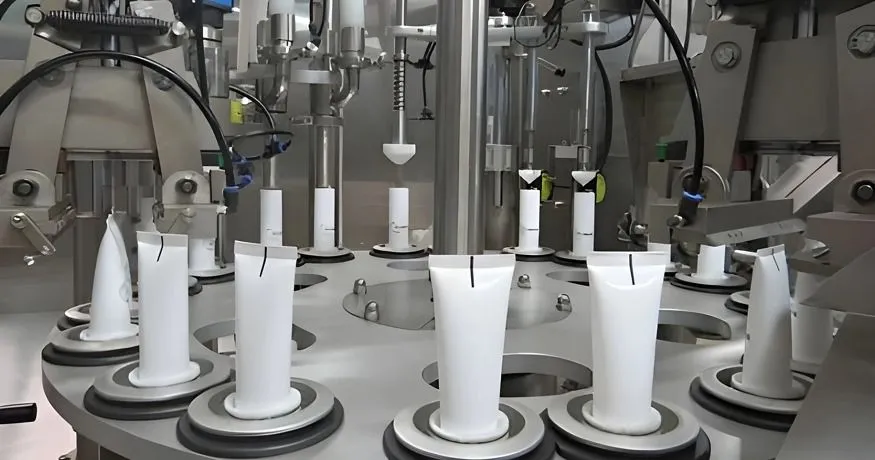
Packaging needs equal attention. Bottles, jars, tubes, pumps, droppers, and caps must match the product design and function correctly.
Before placing large packaging orders, brands and manufacturers should:
- Review physical packaging samples.
- Check bottle and pump compatibility.
- Test sealing and dispensing functions.
- Approve label and carton artwork.
- Confirm printing colors and product information.
- Check supplier lead times.
For example, a serum bottle may look attractive but still cause problems if its dropper does not work well with the formula.
At BonnieCo, we understand that cosmetic packaging procurement requires careful coordination. Our teams work with clients to confirm packaging requirements before moving toward bulk production.
With materials and packaging prepared, the factory can now focus on arranging the production schedule.
4. Scheduling Production for Multi-SKU Orders
Producing several cosmetic products requires more than assigning them to available production lines. A manufacturer must consider product types, batch sizes, equipment, material availability, and processing requirements.
Factors That Affect Production Scheduling
- Product type: Creams, lotions, serums, and cleansers may require different mixing and filling processes.
- Batch quantity: Large orders and smaller batches need different production arrangements.
- Equipment availability: The factory must select suitable equipment for each product.
- Production line allocation: Scheduling should account for filling capacity, cleaning, and equipment changeover time.
- Material readiness: Production should only be confirmed when the necessary ingredients and packaging are available.
As a cosmetic contract manufacturer, we believe realistic scheduling is essential for successful bulk orders.
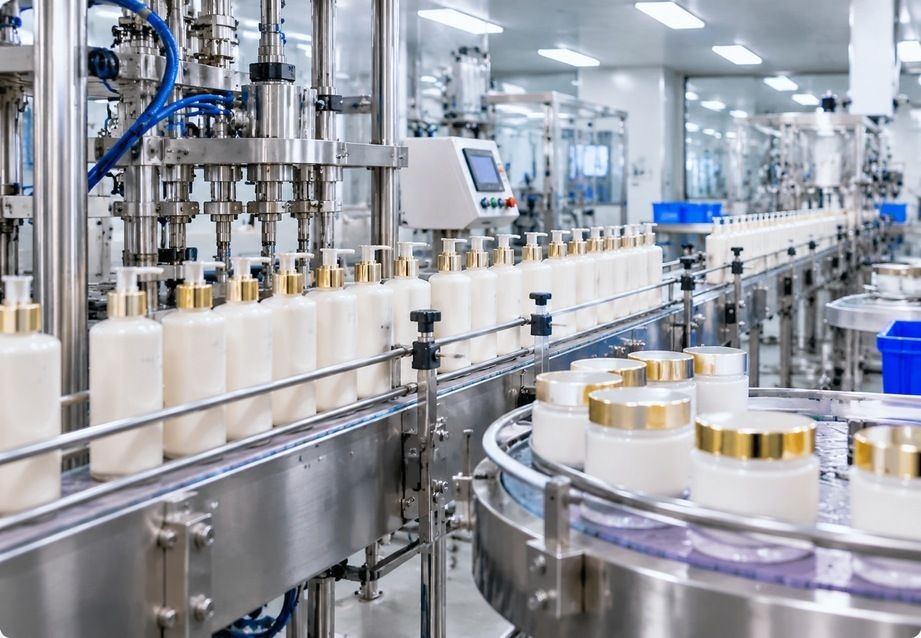
At BonnieCo, our 50,000㎡ self-owned facility, 23 automated production lines, and more than 30 imported equipment units support different manufacturing needs. Our daily emulsification capacity reaches 150 tons, allowing us to support large volume cosmetic production.
However, production capacity alone does not guarantee a smooth order. Every batch must still meet the agreed quality requirements before shipment.
5. Quality Inspection and Batch-Based Delivery
Quality control should be part of the entire manufacturing process, not just the final step. For multi-SKU orders, each product needs inspection based on its own specifications.
Production and Finished Product Checks
A proper quality process may include:
- Checking raw material batches before production.
- Recording important manufacturing details.
- Verifying product appearance, color, and odor.
- Checking pH and viscosity where required.
- Confirming fill quantity and packaging condition.
- Testing pump, cap, and sealing functions.
- Reviewing labels and printed information.
The exact inspection criteria should follow the product requirements and quality standards agreed upon by both parties. Different cosmetic products may need different tests.
Batch Management and Delivery
Each production batch should have clear identification records. This helps manufacturers track products and review any quality concerns.
Before shipment, the factory should confirm finished quantities, packaging condition, inspection results, and shipping documents.
If some SKUs are completed earlier than others, brands can discuss partial deliveries with the manufacturer. This can help meet different distribution needs, provided both parties agree on the arrangement.
But even a well-organized factory needs support from its clients. This brings us to another important part of bulk ordering: communication.
6. Enhancing Collaboration Efficiency for Bulk Orders
Good communication between brands and manufacturers can prevent many common production problems. Repeated changes to formulas, packaging, labels, or order quantities can affect material purchases and delivery schedules.
Here are some practical ways to improve cooperation:
- Finalize product details early: Confirm formulas, packaging, labels, and quantities before production.
- Assign approval responsibilities: Choose specific people to approve samples, artwork, and specifications.
- Keep records organized: Maintain clear documents for every SKU and production change.
- Set realistic delivery windows: Allow time for procurement, manufacturing, inspection, and shipping.
- Communicate changes quickly: Inform the manufacturer as soon as any order requirement changes.
At BonnieCo, we support brands through comprehensive OEM and ODM services. Our 15-member R&D team and library of more than 20,000 formulations help clients explore product development options. With partnerships involving over 3,000 brands across more than 80 countries, we understand the importance of clear communication throughout the manufacturing process.
Whether you are working with a private label cosmetics supplier for the first time or managing regular bulk orders, early coordination makes a real difference.
Conclusion
Successful multi sku cosmetic manufacturing depends on more than production capacity. Brands need clear SKU lists, prepared raw materials, suitable packaging, realistic production schedules, and proper quality inspections.
Choosing an experienced cosmetic manufacturer in China can also make bulk ordering easier. At BonnieCo, we combine 15 years of manufacturing experience, advanced production facilities, R&D support, and one-stop OEM/ODM services to help brands manage their cosmetic orders from
development to delivery.
Planning your next bulk cosmetic order with multiple SKUs? Contact BonnieCo today to discuss your product requirements and discover how our manufacturing team can support your next project.
Frequently Asked Questions
1. What is multi-SKU cosmetic manufacturing?
It involves producing several cosmetic products with different formulas, packaging, and specifications within one order.
2. Why is advance planning important?
It helps prevent material shortages, production delays, packaging problems, and missed delivery dates.
3. When should packaging be approved?
Packaging samples, compatibility, and artwork should be approved before bulk procurement and production.
4. Can different SKUs be delivered separately?
Yes. Partial deliveries can be arranged when the manufacturer and client agree on quantities and schedules.