
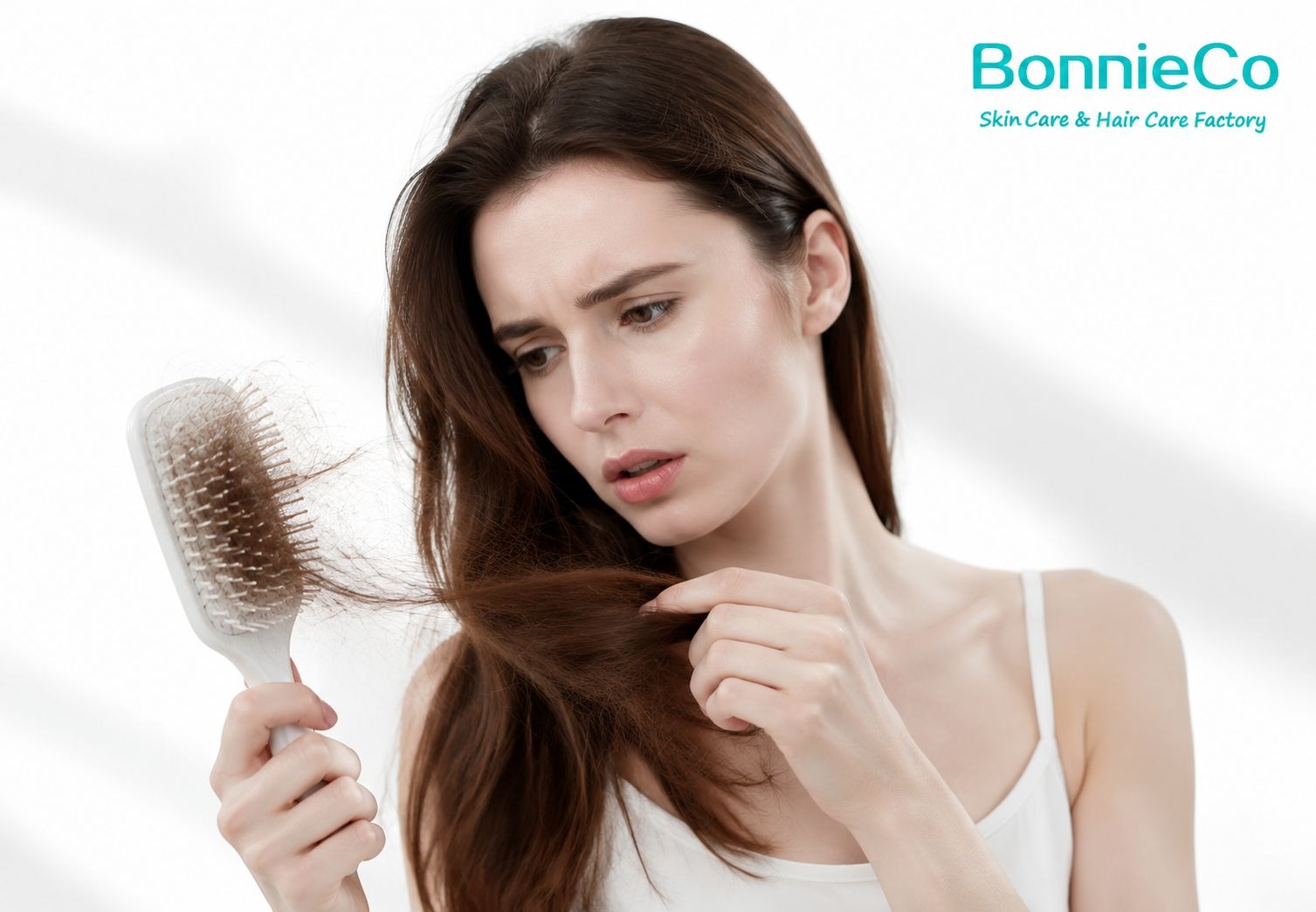
The demand for hair growth products is growing faster than ever. Today’s consumers are not only looking for products that improve the appearance of their hair. They want advanced scalp care solutions that support healthier-looking, stronger, and fuller hair.
According to market research, the global hair growth supplement and treatment market was valued at $8.8 billion in 2025 and is expected to reach $15.7 billion by 2035, showing steady growth opportunities for beauty brands worldwide.
But entering this competitive market is not always easy. Brands need more than an attractive package and a good marketing idea. They need reliable formulas, effective ingredients, stable production, and a trusted manufacturing partner.
This is where OEM customization becomes valuable. By working with an experienced contract manufacturer for hair care, brands can transform product ideas into market-ready solutions without building their own factories or laboratories.
So, what should brands know before developing their own hair growth products? Let’s explore the key steps, technologies, and opportunities behind successful OEM hair care development.
Understanding the Growing Opportunity in Hair Growth Product Customization
The hair care industry is changing. Consumers are moving away from simple shampoo and conditioner routines and paying more attention to scalp health, hair density, and targeted treatments.
This shift creates new opportunities for brands that want to launch specialized products, including private label hair growth serum, white label hair treatment, and customized scalp care products.
Modern customers are interested in:
- Science-backed ingredients
- Personalized hair care routines
- Lightweight and easy-to-use formats
- Clean and sustainable product concepts
- Professional-level scalp treatments
For beauty companies, OEM customization provides a practical way to meet these demands. Instead of starting from zero, brands can work with manufacturers that already have experience in ingredient sourcing, formula creation, testing, and production.
But with so many product options available, how can brands decide which type of hair growth product is right for their customers?
Four Major Dosage Forms of Hair Growth Products and Market Trends
Different customers have different preferences, which is why hair growth products are available in multiple formats. Each product type also comes with unique technical requirements that brands should understand before development.
Scalp Serums: Concentrated Solutions for Targeted Care
Scalp serums are one of the most popular categories in the hair growth market. They allow brands to create premium products with concentrated active ingredients and a lightweight feel.
Popular trends include:
Single-use ampoules
Micro-emulsion formulas
Fast-absorbing scalp treatments
Daily leave-in solutions
However, creating a high-quality serum requires careful formula development. One common challenge is preventing water and oil separation while keeping the texture comfortable.
Professional manufacturers use advanced techniques such as high-pressure homogenization to improve stability and create smooth formulas.
Hair Foams: Lightweight Treatments for Modern Consumers
Hair foams are becoming popular because they offer a simple application experience. Many consumers prefer products that absorb quickly without leaving a heavy feeling.
Current trends include:
Leave-in volumizing foams
Morning-use styling treatments
Lightweight scalp care products
The main technical challenge is balancing foam density, ingredient compatibility, and long-term stability. A well-developed formula should maintain its texture from the first use to the last.
Topical Sprays: Convenient and Easy-to-Apply Products
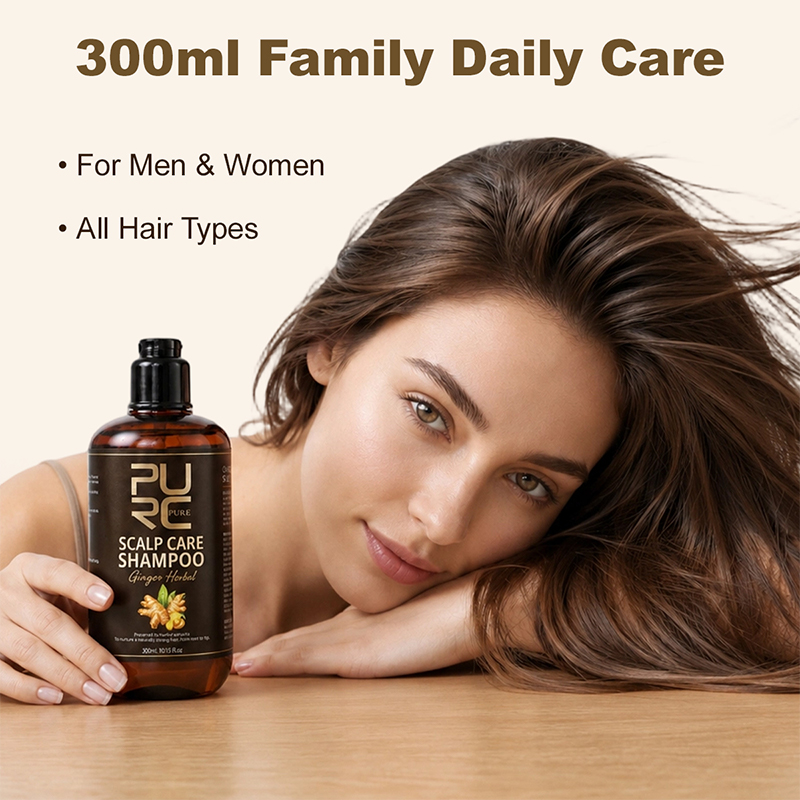
Spray products provide convenience, especially for customers who want quick and even scalp application.
Growing trends include:
Large-capacity family products
Fine mist sprays
Travel-friendly packaging
However, spray development requires attention to small details. Nozzle performance, formula thickness, and ingredient solubility all affect the final user experience.
A professional OEM partner can help brands avoid issues such as blocked nozzles or uneven spraying.
Shampoo Bars: Sustainable Hair Care Solutions
Sustainability is becoming a major factor in beauty purchasing decisions. Shampoo bars are gaining popularity because they reduce plastic packaging and offer an eco-friendly alternative.
However, developing shampoo bars requires careful control of:
Cleansing ability
Hardness
Foam performance
Scalp comfort
Manufacturers must carefully balance surfactants and active ingredients to create a product that performs well while remaining gentle.
With the right product format selected, the next question becomes: how can brands create formulas that stand out in a crowded market?
Building Better Products Through Hair Growth Formula Development
Successful hair growth products depend on more than adding popular ingredients. A strong formula requires the right combination of active ingredients, delivery systems, and product positioning.
BonnieCo supports brands with different levels of customization based on their goals.
Tier 1: Basic Anti-Hair Loss Support
For brands entering the market, basic anti-hair loss formulas are often a good starting point.
Common ingredients include:
Saw Palmetto Extract
Caffeine Microcapsules
These ingredients are often selected for formulas designed to support scalp conditions related to hair shedding concerns.
Tier 2: Hair Follicle Activating Ingredients
Premium brands often focus on ingredients that support the scalp environment and encourage healthier-looking hair.
Popular ingredients include:
Redensyl
Capixyl
These hair follicle activating ingredients are commonly used in advanced products designed for customers seeking more specialized solutions.
Tier 3: Scalp Microbiome Care
The scalp microbiome is becoming an important topic in beauty research. Consumers are beginning to understand that scalp balance plays a role in overall hair appearance.
Common ingredients include:
Lactobacillus Ferment Filtrate
Potassium Azeloyl Diglycinate
This approach allows brands to create modern custom hair loss solutions focused on complete scalp wellness.
Tier 4: Advanced Cellular-Level Repair Concepts
For high-end product positioning, brands may explore innovative technologies such as:
Copper Peptide
Plant-derived exosomes
These ingredients help brands create premium concepts that appeal to customers interested in advanced beauty technology.
Now that we understand formula possibilities, how does the actual OEM customization process work?
OEM vs. ODM: A Clear Path From Idea to Finished Product
Many brands hear the terms OEM and ODM but are unsure about the difference.
OEM manufacturing focuses on producing products based on a brand’s requirements. ODM services often include more support from the manufacturer, including formula suggestions and product development ideas.
For brands launching new products, a professional partner can provide support throughout the entire process.
Step 1: Concept Development
The brand shares:
- Target market information
- Competitor references
- Preferred texture and product style
- The manufacturer develops:
- Formula concepts
- Cost estimates
- Development plans
Step 2: Prototyping and Testing
During this stage, manufacturers create samples and adjust the formula based on brand feedback.
Packaging compatibility testing is also performed to ensure the product works well with the selected container.
Step 3: Stability Testing
Before mass production, formulas need to pass important evaluations, including:
- High and low temperature testing
- Freeze-thaw cycle testing
- Preservative effectiveness testing
These tests help ensure products remain stable during storage and international transportation.
Step 4: Mass Production and Delivery
After approval, the manufacturer manages production, filling, quality checks, and packaging.
Support can also include documentation such as MSDS and COA files to help with global shipping requirements.
A complete manufacturing process gives brands confidence. But what should companies look for when choosing a manufacturing partner?
Why Choose a Reliable OEM Partner for Hair Growth Products?
Choosing the right manufacturer can make a major difference in product quality and business growth.
Overseas brands often face common challenges during development and production.
Challenge: The Bulk Product Smells Different From the Sample
A sample may perform well, but large production batches can sometimes have differences in odor.
Professional manufacturers solve this through strict quality control and testing methods, including odor evaluation and advanced analysis equipment.
Challenge: High Minimum Order Quantities
New brands often need flexibility when testing the market.
A manufacturer that supports lower MOQ options allows businesses to launch products, collect customer feedback, and grow step by step.
Challenge: Formula Problems During Shipping
International shipping can expose products to changing temperatures.
Reliable manufacturers conduct environmental simulation testing to help formulas handle conditions from cold storage to warmer climates.
For brands looking for FDA-compliant hair products, quality control and proper documentation are also important parts of choosing the right partner.
Building the Future of Your Hair Care Brand With OEM Customization
The hair growth market continues to expand, creating exciting opportunities for beauty companies around the world. However, success depends on developing products that combine effective formulas, strong quality control, and customer-focused design.
Whether you are creating a private label hair growth serum, launching OEM scalp care products, or searching for a custom formulation for hair regrowth, working with an experienced manufacturer can simplify the journey.
With professional support in product development, testing, production, and logistics, brands can build competitive hair care solutions faster and with greater confidence.
A trusted OEM partner does more than manufacture products. They help turn ideas into complete turnkey hair brand solutions ready for global markets.
Whether you are a startup looking for your first product or an established brand expanding your hair care portfolio, BonnieCo provides flexible manufacturing solutions designed to meet your market needs.
Contact BonnieCo today to discuss your next hair growth formula development project and create a customized product solution for your brand.
Foshan BonnieCo Biotechnology Co., Ltd. (BonnieCo Group) — Self-Owned Factory · Own Brands · Global Certifications · 15 Years of Smart Beauty Manufacturing. We operate three core business divisions:
1. Guangzhou LocRoyal Cosmetics Co., Ltd.: Hair care OEM + self-owned brands including PROINSCARE, PURC
2. Guangzhou BonnieCo Cosmetics Co., Ltd.: Skin care & color cosmetics OEM + self-owned brands including SenseInsCare, Jellyprim
3. A 50,000㎡ self-owned production base in Foshan
FAQs
What is OEM hair growth product customization?
OEM customization allows brands to create hair growth products with professional manufacturing support, including formula development, testing, packaging, and production.
Can I create my own private label hair growth serum?
Yes. Brands can customize ingredients, textures, packaging, and product positioning with an experienced OEM partner.
What is the MOQ for custom hair growth products?
MOQ depends on the product type and customization requirements. Flexible options help new brands test the market.
How long does OEM product development take?
The timeline varies based on formula complexity, testing, and packaging needs.