
What makes a beauty product memorable? Is it the formula, the ingredients, or the results it promises? All of these matter, but there is something customers notice before they try the product: the packaging.
Two beauty products can have very similar formulas but create completely different impressions because of their packaging. One may look luxurious and high-end, while the other may feel simple and affordable. This is why custom cosmetic packaging is more than a container. It is part of your brand story.
For private label beauty brands, the right packaging can help build trust, create a strong identity, and make a product easier to recognize. But where should you start? Let’s look at the key steps.
Why Packaging Matters for Private Label Brands
When customers first see a cosmetic product, they cannot immediately test the formula. Instead, they use visual clues to decide what they think about it. The bottle shape, color, finish, logo, and box all send a message.
Packaging Creates Your First Impression
Imagine a serum in a clear glass bottle with a simple dropper, soft colors, and clean printing. Now imagine the same serum in a bright plastic bottle with bold graphics. Even if the formula is identical, customers may see these products as completely different.
That is the power of packaging.
For private label brands, private label cosmetic packaging can help turn a standard formula into a product that feels unique. It gives brands more control over how customers see the product and where they believe it belongs in the market.
A premium package can support a luxury position, while a simple and practical design may work better for an everyday skincare brand. So, once you know how you want customers to see your brand, the next question is simple: how do you make the packaging match that image?
How Custom Cosmetic Packaging Helps Your Brand Stand Out
Standing out does not always mean using the brightest color or the most unusual bottle. Good packaging is about making smart choices that fit your brand.
Match Packaging With Your Brand
Think about your target customer. Are you selling premium facial serums, natural body care products, professional hair treatments, or affordable daily skincare?
Each product may need a different visual approach.
For example, a skincare brand focused on clean beauty might choose simple shapes, soft colors, and a matte finish. A luxury brand might use frosted glass, metallic details, and hot stamping.
This is where custom skincare packaging becomes valuable. Instead of using the same packaging as many other brands, you can create a look that supports your own identity.
But before choosing colors and decoration, there is a more basic decision to make: which type of container is right for your product?
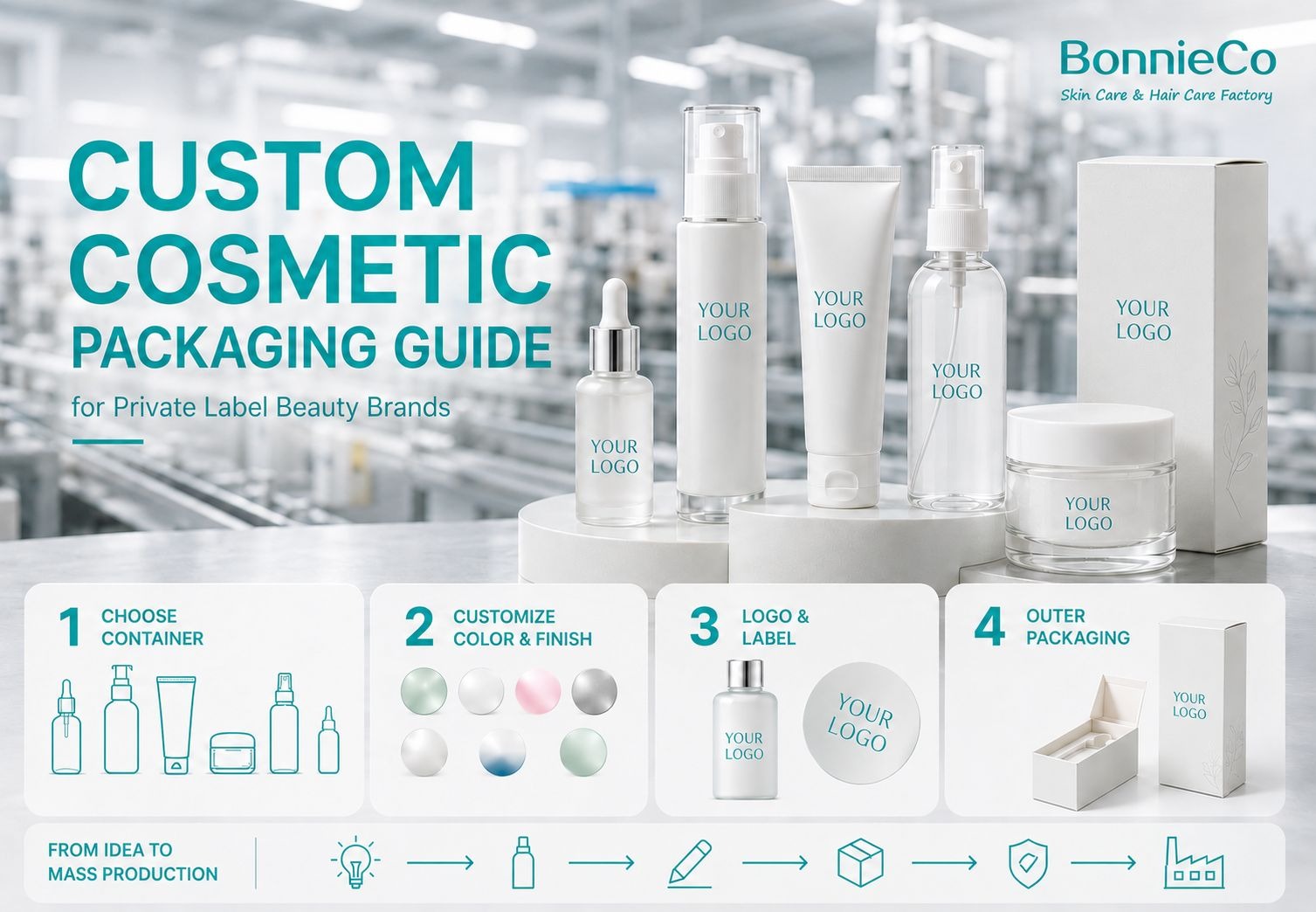
Step 1: Choose the Right Cosmetic Container
The container affects more than appearance. It can influence how customers use the product, how well it is protected, and how professional the product feels.
Common Cosmetic Packaging Options
- Dropper Bottle: A popular choice for serums and other products that need precise application.
- Airless Pump: Helps reduce product exposure to air and offers clean, convenient dispensing.
- Tube: Lightweight and practical, making it suitable for creams, cleansers, lotions, and similar products.
- Jar: Easy to use and especially suitable for creams, masks, and scrubs.
- Spray Bottle: Useful for products that need an even, fine application, such as hair mists.
- Refillable Packaging: A growing option for brands that want to reduce packaging waste and offer customers a more sustainable experience.
So, which one should you choose? Start with the product itself, then consider how customers will use it and how you want it to be positioned.
| Product | Recommended Packaging | Key Advantage | Best Positioning |
| Serum | Dropper / Airless | Precision | Premium |
| Cream | Jar / Airless | Easy use | Daily skincare |
| Hair Mist | Spray | Fine mist | Hair care |
| Body Scrub | Wide-mouth Jar | Easy scoop | Body care |
| Scalp Serum | Nozzle / Dropper | Targeted use | Scalp care |
| Lotion | Pump | Convenient | Daily body care |
Choosing the right container gives you a strong starting point. Now comes the more creative part: making that container look like your brand.
Step 2: Customize Packaging Color & Finish
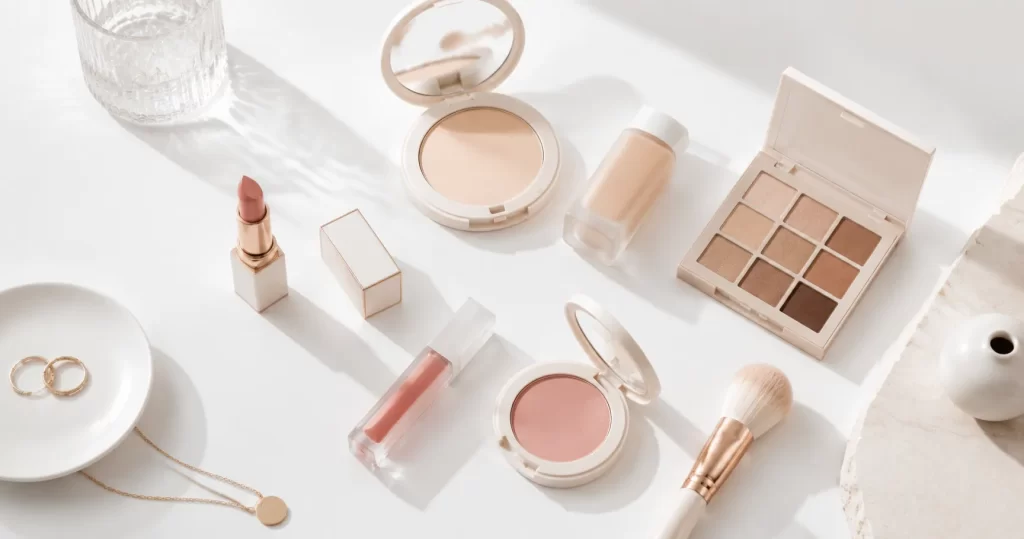
Color can completely change the personality of a cosmetic product. A soft pink may create a gentle and feminine feeling, while dark green can suggest nature and premium quality.
Choose a Finish That Fits Your Positioning
There are several finishes commonly used for cosmetic packaging:
Matte: Clean, modern, and understated
Frosted: Elegant and soft, often used for premium skincare
Glossy: Bright and eye-catching
Metallic: Strong and luxurious
Gradient: Modern and visually interesting
Soft Touch: Smooth and pleasant to hold
The key is consistency. Your packaging color and finish should work with your logo, label, website, and other brand materials.
Once the overall look is decided, it is time to put your brand name front and center.
Step 3: Customize Logo & Label
Your logo is one of the most important parts of your packaging because it helps customers recognize your products.
Popular Decoration Methods
Depending on your design and packaging material, you can consider silk printing, hot stamping, labels, or UV printing.
Silk printing works well for clean and simple designs. Hot stamping can add a premium metallic effect. Labels offer flexibility for detailed product information and different designs. UV printing can create sharp and eye-catching graphics.
For custom cosmetic packaging, the best method depends on more than appearance. Order quantity, packaging material, budget, design complexity, and production requirements should also be considered.
And what about the box? If you want to create a complete brand experience, the outer packaging deserves just as much attention.
Step 4: Customize the Outer Box
The outer box is often the first part of a product that customers touch. It also provides space for branding, product information, and design details.
Build a Complete Packaging Experience
When developing your outer box, consider the material, color, insert, structure, and printing.
A well-designed insert can keep a bottle secure during shipping. The right box structure can make the product easier to open. Good printing can help create a consistent look between the bottle and the box.
For brands selling premium products, the box can also make the unboxing experience feel more special.
At this point, you have the basic packaging elements in place. But packaging continues to change, so what trends should private label brands keep an eye on?
Packaging Trends Brands Should Watch
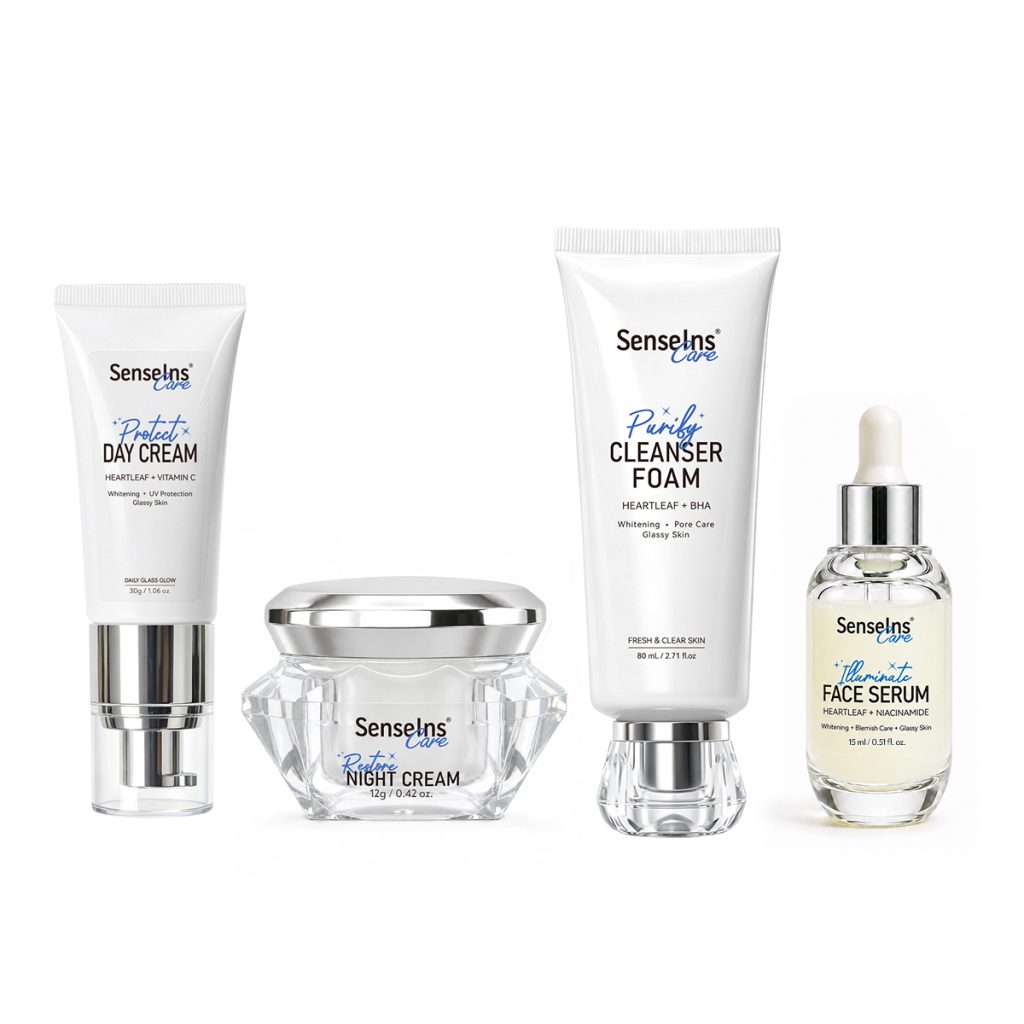
Beauty packaging is moving toward designs that combine appearance, convenience, and sustainability.
Airless and Refillable Packaging
Airless packaging continues to attract attention because it offers convenient dispensing and can help protect certain formulas from repeated exposure to air.
Refillable packaging is also becoming more interesting for brands looking for ways to reduce waste and encourage repeat purchases.
Minimalist and Mono-Material Designs
Minimalist packaging uses simple shapes, limited colors, and clean graphics. It can make a product look modern without making the design complicated.
Mono-material packaging is another trend worth watching because using fewer material types can make packaging easier to manage at the end of its useful life, depending on local recycling systems.
Smart packaging, including technologies that provide product information or brand interaction, is also developing. The best trend, however, is not always the newest one. It is the one that makes sense for your customers and product.
So, once you have chosen your packaging concept, how do you turn an idea into thousands of finished products?
From Packaging Idea to Mass Production
Working with an experienced cosmetic packaging manufacturer can make this process much easier. A good factory does more than produce bottles and boxes. It can help brands choose suitable packaging and identify potential production issues before mass manufacturing begins.
Packaging Customization Process
| Stage | What Brand Provides | What Factory Does |
| Concept | Reference images | Packaging suggestions |
| Selection | Bottle preference | Supplier matching |
| Design | Logo / brand | Artwork support |
| Sample | Confirmation | Prototype |
| Testing | Feedback | Compatibility test |
| Production | Final approval | Mass production |
The process usually starts with an idea or reference image. The factory can then suggest suitable packaging options and help match the project with suppliers.
After the design and packaging are selected, samples are created. This stage is important because it allows the brand to check the size, appearance, color, decoration, and overall user experience.
Testing should also be taken seriously. Packaging needs to work well with the product, especially when the formula may interact with the container or closure.
Once everything is approved, mass production can begin.
For brands developing OEM cosmetic packaging, clear communication at every stage can help reduce mistakes, delays, and unexpected changes.
Conclusion
Great packaging does not happen by simply choosing a beautiful bottle. It starts with understanding your product, your customers, and the image you want your brand to create.
From choosing the right container to selecting colors, finishes, printing methods, and outer boxes, every detail contributes to the final product. The right custom cosmetic packaging can help a private label brand look more professional, stand apart from competitors, and create a stronger connection with customers.
The production process matters just as much. Working with the right cosmetic packaging manufacturer can help turn your idea into practical packaging that is ready for real-world production.
If you already have a packaging idea or are still deciding where to start, BonnieCo can help you explore the right packaging options for your beauty brand. Contact us to discuss your project, share your ideas, and find a packaging solution that fits your product and brand goals.
Foshan BonnieCo Biotechnology Co., Ltd. (BonnieCo Group) — Self-Owned Factory · Own Brands · Global Certifications · 15 Years of Smart Beauty Manufacturing. We operate three core business divisions:
1. Guangzhou LocRoyal Cosmetics Co., Ltd.: Hair care OEM + self-owned brands including PROINSCARE, PURC
2. Guangzhou BonnieCo Cosmetics Co., Ltd.: Skin care & color cosmetics OEM + self-owned brands including SenseInsCare, Jellyprim
3. A 50,000㎡ self-owned production base in Foshan
FAQs
What is custom cosmetic packaging?
Packaging designed around a brand’s product and identity.
Why does it matter?
It helps products stand out and build recognition.
How do I choose packaging?
Consider the formula, application, and positioning.
Can manufacturers customize it?
Yes, from containers and finishes to printing and boxes.