


Sunscreen has become one of the most important products in modern skincare. Consumers today are more aware of sun damage, premature aging, and the risks of long-term UV exposure. As a result, the demand for high-quality sun protection products continues to grow around the world.
However, many people still feel confused when choosing between Mineral Sunscreen and Regular Sunscreen. These two types of sunscreen work in very different ways, yet both are designed to protect the skin from harmful ultraviolet rays. Understanding how they work can help consumers choose better products and help skincare brands develop formulas that meet market needs.
For brands looking to launch their own sunscreen products, knowing the difference between physical and chemical sunscreen is especially important. The choice between Mineral Sunscreen and Regular Sunscreen affects product texture, target users, and marketing strategy. Many companies work with a trusted sunscreen OEM manufacturer to create formulas that match their brand identity and customer needs.
So what exactly makes these two types of sunscreen different? Let us begin with mineral sunscreen.
What Is Mineral Sunscreen and Why Is It Popular
When people talk about gentle and skin-friendly sun protection, they often refer to Mineral Sunscreen. This type of sunscreen is also known as physical sunscreen because it protects the skin by creating a protective barrier on the surface.
Unlike Regular Sunscreen, which absorbs UV rays, Mineral Sunscreen reflects and scatters sunlight away from the skin. Because of this, it starts protecting the skin immediately after application.
Key Ingredients in Mineral Sunscreen
The effectiveness of Mineral Sunscreen comes from two main mineral ingredients.
- Zinc Oxide
- Titanium Dioxide
These minerals are widely used in sunscreen because they are stable and provide broad-spectrum protection against both UVA and UVB rays. Many dermatologists recommend mineral sunscreen for sensitive skin because these ingredients are less likely to cause irritation.
However, traditional formulas sometimes leave a white layer on the skin. This is known as the white cast effect. Today, advanced technology allows manufacturers to create non-whitening mineral sunscreen, which blends more easily into the skin while still offering strong UV protection.
Physical Sunscreen Benefits for Everyday Protection
There are several important physical sunscreen benefits that make this type of sunscreen attractive to both consumers and skincare brands.
First, Mineral Sunscreen is often considered a gentle sunscreen for daily use. It sits on the surface of the skin rather than being absorbed, which reduces the risk of irritation.
Second, it is widely recommended for sensitive groups. People with reactive skin, pregnant women, and even babies often use mineral sunscreen for sensitive skin because it is generally well tolerated.
Third, mineral ingredients are stable in sunlight. This means the sunscreen maintains its protective ability even under strong sun exposure.
With so many advantages, mineral sunscreen is clearly a strong option. But what about Regular Sunscreen? How does it work, and why do many consumers prefer it?

What Is Regular Sunscreen and How Does It Work
While Mineral Sunscreen protects by reflecting UV rays, Regular Sunscreen works in a completely different way. Regular sunscreen usually refers to chemical sunscreen, which protects the skin by absorbing ultraviolet radiation.
When UV rays hit the skin, the ingredients in Regular Sunscreen absorb the energy and convert it into heat. The heat is then released from the skin, reducing the damage caused by sun exposure.
Because the sunscreen ingredients are absorbed into the skin, Regular Sunscreen usually feels lighter and smoother than Mineral Sunscreen.
Common Ingredients in Chemical Sunscreen
Chemical sunscreen formulas often include ingredients such as:
- Avobenzone
- Octinoxate
- Octocrylene
- Tinosorb
These ingredients are designed to absorb different types of UV radiation, allowing Regular Sunscreen to provide broad protection when properly formulated.
Chemical Sunscreen Advantages
There are several well-known chemical sunscreen advantages that explain why many people choose Regular Sunscreen.
One major benefit is texture. Regular sunscreen usually feels light and refreshing on the skin. This makes it a popular choice for people with oily skin or those who dislike heavy skincare products.
Another advantage is appearance. Regular Sunscreen does not leave a white cast on the skin, which makes it more comfortable for daily use and easier to apply under makeup.
Many chemical sunscreens can also be designed as a waterproof sunscreen formula, making them suitable for sports, swimming, and outdoor activities.
So now that we understand how both types work, what is the real difference between Mineral Sunscreen and Regular Sunscreen?
Mineral Sunscreen vs Regular Sunscreen: Key Differences
Choosing between Mineral Sunscreen and Regular Sunscreen often depends on understanding their key differences. Although both protect the skin from UV rays, they differ in ingredients, skin feel, and suitability for different users.
UV Protection Method
The most important difference between physical and chemical sunscreens is how they protect the skin.
Mineral Sunscreen reflects and scatters UV rays away from the skin.
Regular Sunscreen absorbs UV radiation and converts it into heat.
Both methods can provide effective sun protection when the formula is well developed.
Skin Feel and Appearance
Another difference is how the sunscreen feels on the skin.
Mineral Sunscreen may feel slightly thicker because it stays on the surface of the skin. Older formulas may leave a white cast, but modern technology allows manufacturers to produce non-whitening mineral sunscreens that blend more smoothly.
In contrast, Regular Sunscreen usually feels lighter and more transparent. This is why many makeup users prefer it for daily wear.
Skin Compatibility
Skin sensitivity is another important factor.
People with reactive or delicate skin often prefer mineral sunscreen for sensitive skin, because mineral filters are less likely to cause irritation.
However, people with oily skin may enjoy the lighter texture of Regular Sunscreen.
Water Resistance and Outdoor Use
When it comes to outdoor activities, performance matters. Many brands develop waterproof sunscreen formula options that remain effective during sweating or swimming.
Both Mineral Sunscreen and Regular Sunscreen can be formulated for water resistance, although chemical filters are often easier to incorporate into these types of products.
Understanding these differences leads to an important question. Which sunscreen is the best choice for different users?
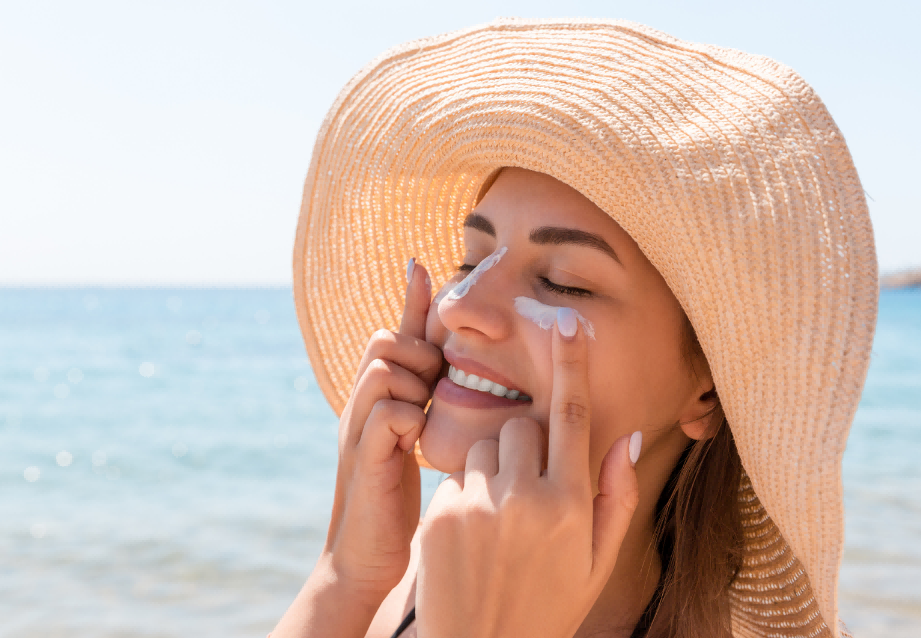
How to Choose Between Mineral Sunscreen and Regular Sunscreen
Choosing between Mineral Sunscreen and Regular Sunscreen is not always about which one is better. Instead, it is about finding the formula that matches a person’s skin type and lifestyle.
Best Choice for Sensitive Skin
For people with sensitive skin, Mineral Sunscreen is often the safer option. Because it sits on the surface of the skin, it reduces the risk of irritation.
This is why many dermatologists recommend mineral sunscreen for sensitive skin, especially for people with redness or easily irritated skin.
Best Choice for Oily Skin and Makeup Users
People with oily skin often prefer Regular Sunscreen because of its lighter texture.
The smooth finish and chemical sunscreen advantages make it easier to apply under makeup. Many daily skincare routines include regular sunscreen as a gentle sunscreen for daily use because it blends quickly and leaves no visible residue.
Hybrid Sunscreen Formulas
Interestingly, many modern products combine the strengths of both types. Hybrid sunscreens use both mineral and chemical filters to balance protection, texture, and comfort.
Brands developing these products often work with a private label cosmetics manufacturer to create custom formulas designed for specific markets.
But creating the right formula requires more than just choosing ingredients. This is where the role of a reliable manufacturing partner becomes important.
Developing Mineral Sunscreen and Regular Sunscreen with an OEM Manufacturer
For skincare brands planning to launch sun protection products, working with an experienced sunscreen OEM manufacturer can make the development process much easier.
A professional manufacturing partner helps brands design formulas that meet safety standards, consumer preferences, and regulatory requirements.
Custom Mineral Sunscreen Development
Many brands today want to launch Mineral Sunscreen products because of the growing demand for skin-friendly protection.
Manufacturers can create advanced non-whitening mineral sunscreen formulas that provide strong UV protection while maintaining a smooth texture. These products are often marketed as gentle sunscreens for daily use, making them suitable for a wide range of consumers.
Chemical Sunscreen Product Development
At the same time, Regular Sunscreen remains extremely popular because of its lightweight feel.
A skilled manufacturer can design formulas that highlight chemical sunscreen advantages, such as fast absorption and invisible finish. They can also develop a waterproof sunscreen formula for outdoor use and sports activities.
Why Work with BonnieCo
Choosing the right partner is an important step for any skincare brand. BonnieCo is a professional cosmetics manufacturer that provides advanced sunscreen development services for global clients.
As a trusted private label cosmetics manufacturer, BonnieCo helps brands create customized Mineral Sunscreen and Regular Sunscreen products that match market trends. The company supports product development, testing, and large-scale production for international b2b wholesale cosmetics businesses.
With strong research and development capabilities, BonnieCo works closely with brands to bring innovative sun protection products to market.
Conclusion
Understanding the differences between Mineral Sunscreen and Regular Sunscreen helps both consumers and skincare brands make smarter choices.
Mineral Sunscreen offers important physical sunscreen benefits, including gentle protection and strong compatibility with sensitive skin. Regular Sunscreen, on the other hand, provides several chemical sunscreen advantages, such as a lightweight texture and invisible application.
Both types play an important role in modern skincare. The key is selecting the right formula for the target users and product positioning.
For brands interested in developing their own sun protection products, working with an experienced sunscreen OEM manufacturer can make the process smoother and more efficient. BonnieCo, a trusted professional cosmetics manufacturer, offers customized solutions for private label sunscreen development and global b2b wholesale cosmetics production.
If you are planning to launch your own sunscreen line or want to explore custom formulations, the team at BonnieCo would be happy to assist you. Feel free to reach out to discuss your ideas, request product samples, or learn more about how we can help bring your sunscreen products to market.
Foshan BonnieCo Biotechnology Co., Ltd. (BonnieCo Group): Self-Owned Factory · Own Brands · Global Certifications · 15 Years of Smart Beauty Manufacturing. We operate three core business divisions:
1. Guangzhou LocRoyal Cosmetics Co., Ltd.: Hair care OEM + self-owned brands including PROINSCARE, PURC
2. Guangzhou BonnieCo Cosmetics Co., Ltd.: Skin care & color cosmetics OEM + self-owned brands including SenseInsCare, Jellyprim
3. A 50,000㎡ self-owned production base in Foshan
FAQs
What is the difference between Mineral Sunscreen and Regular Sunscreen?
Mineral Sunscreen reflects UV rays using zinc oxide or titanium dioxide. Regular Sunscreen absorbs UV rays and converts them into heat.
Which is better for sensitive skin?
Mineral Sunscreen is often recommended because it is gentle and less likely to irritate skin.
Can brands develop both Mineral Sunscreen and Regular Sunscreen?
Yes. Many brands offer both Mineral Sunscreen and Regular Sunscreen to meet different customer needs. Working with a sunscreen OEM manufacturer like BonnieCo allows brands to create customized private-label sunscreen products for different markets.