

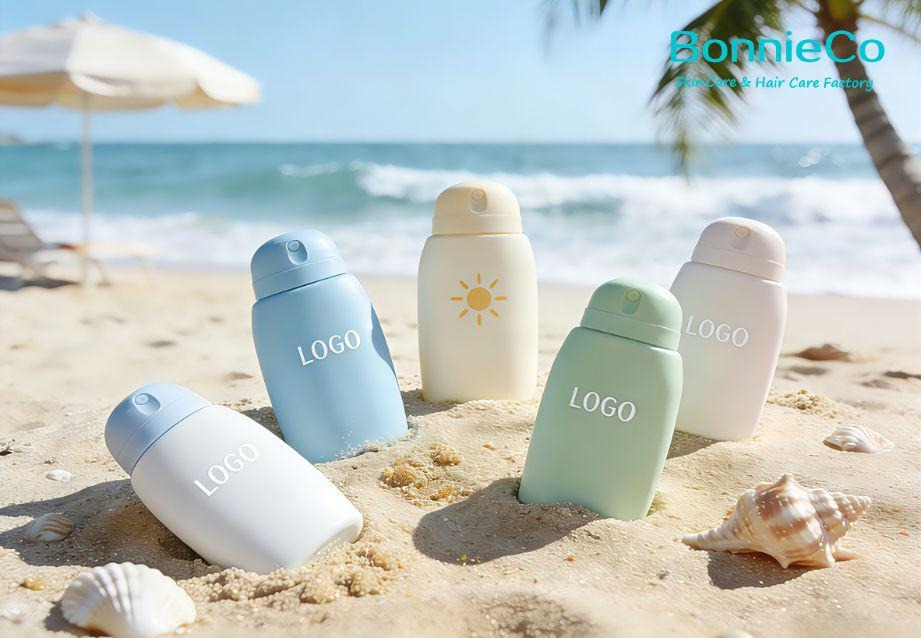
Summer in Southeast Asia is intense. Temperatures are high, humidity is constant, and the sun can feel relentless. In coastal regions, strong sea winds and salty air add even more stress to skin and hair. These conditions create everyday beauty challenges for consumers across Indonesia, Thailand, Vietnam, Malaysia, and the Philippines.
Many people deal with sunburn, uneven skin tone, oily skin, clogged pores, and frizzy or thinning hair. Scalp sweat and oil buildup are also common in humid environments. Because of this, beauty shoppers in Southeast Asia look for products that feel light, work quickly, and protect the skin and scalp throughout the day.
This is why sunscreen and recovery skincare are not seasonal items in the region. They are daily essentials. Many shoppers now research the difference between physical and chemical sunscreen before choosing a product. Some prefer mineral sunscreen for sensitive skin because of the physical sunscreen benefits it offers, while others look for chemical sunscreen advantages such as a lighter texture and better absorption.
But here is an important question for beauty brands. With so many products on the market, what actually becomes a bestseller in Southeast Asia’s summer?
The answer often depends on how well a brand understands local consumer habits. Products designed specifically for tropical climates perform much better than generic formulas. For many brands, working with a reliable sunscreen OEM manufacturer or private label cosmetics manufacturer is the key to creating products that truly fit the market.
So which product categories are leading the summer beauty market in Southeast Asia in 2026? Let us explore three fast-growing tracks that brands should pay attention to.

Sunscreen OEM Manufacturer Insights: The 3-in-1 Summer Protection Matrix
Sun protection is the most important skincare category in Southeast Asia. The region experiences strong ultraviolet radiation throughout the year, and consumers know the damage sun exposure can cause. As a result, sunscreen products continue to dominate the summer beauty market.
But modern consumers expect more than simple sun protection. They want products that work well in heat and humidity while still feeling comfortable on the skin. This has led to the rise of what many manufacturers call a three-part protection system: sunscreen, after-sun repair, and oil control.
Why Sunscreen Formulas Matter in Tropical Climates
Sunscreen performance is especially important in Southeast Asia because of constant sweating and outdoor activity. A lightweight formula that melts into the skin is often preferred over thick creams.
Many shoppers are curious about the difference between physical and chemical sunscreen. Mineral sunscreen works by reflecting UV rays from the surface of the skin, which is why physical sunscreen benefits often include gentle protection and reduced irritation. This makes mineral sunscreen for sensitive skin a popular option for consumers who have reactive or acne-prone skin.
However, chemical sunscreen advantages also make these formulas appealing. Chemical sunscreen absorbs UV rays and converts them into heat, which allows the product to spread easily without leaving a visible layer.
Because of these differences, hybrid formulas are becoming increasingly popular. These formulas combine mineral sunscreen and chemical sunscreen filters to balance protection and comfort.
Product Opportunity One: High Protection Waterproof Sunscreen
For brands entering Southeast Asia, a high-performance sunscreen is essential. Products with SPF50 and PA rating provide strong defense against intense sunlight.
A good waterproof sunscreen formula is also important. In hot and humid climates, sweat-resistant sunscreen performs much better than ordinary formulas. Consumers want protection that lasts during outdoor activities, travel, and long workdays.
Another growing demand is for non-whitening mineral sunscreen. Many traditional mineral sunscreen formulas leave a white cast, especially on deeper skin tones. New technology allows manufacturers to create formulas that offer physical sunscreen benefits without the visible residue.
Because sunscreen is such a complex category, many brands choose to work with a sunscreen OEM manufacturer that specializes in UV protection formulas.
Product Opportunity Two: Cooling After Sun Recovery Gel
Sun protection does not stop with sunscreen. After sun skincare is becoming an important part of daily routines across Southeast Asia.
Cooling gels containing aloe vera and centella asiatica help calm skin that has been exposed to strong sunlight. These ingredients support hydration and skin barrier recovery.
Pairing sunscreen with an after-sun product can also create a strong retail strategy. Many beauty brands now sell these items as a complete summer skincare set.
So if sunscreen and recovery products dominate the skincare market, what about hair care? In tropical climates, the scalp faces its own set of challenges.
Scalp Oil Control and Anti-Hair Loss Care in Humid Weather
Heat and humidity not only affect the skin. They also impact the scalp and hair. Excess sweat and oil production can clog hair follicles, which may lead to irritation, dandruff, and hair thinning.
Because of this, scalp care products are becoming increasingly popular in Southeast Asia. Many consumers now treat scalp care as an extension of skincare rather than simple hair washing.
Why Oil Control Shampoos Are in High Demand
In humid climates, oil builds up quickly on the scalp. This can make hair feel greasy only a few hours after washing.
Shampoos that focus on oil control and scalp balance are gaining attention among Southeast Asian consumers. Ingredients such as arborvitae leaf and polygonum multiflorum are commonly used in herbal hair care products. These plant extracts are traditionally believed to support scalp health and reduce hair fall.
Silicone-free formulas are also becoming more popular. Many people prefer lightweight shampoos that clean the scalp without leaving heavy residue.
Leave-In Treatments for Scalp Comfort
Another rising trend is leave-in scalp care. Lightweight hair oils and scalp tonics help reduce dryness while maintaining oil balance.
These products are especially useful for consumers who spend long hours outdoors. A refreshing leave-in treatment can help cool the scalp and control frizz caused by humidity.
With scalp care becoming a growing category, brands have another opportunity to develop products tailored to tropical climates. But skin tone concerns are also a major topic in Southeast Asia. What happens to the skin after long exposure to the sun?
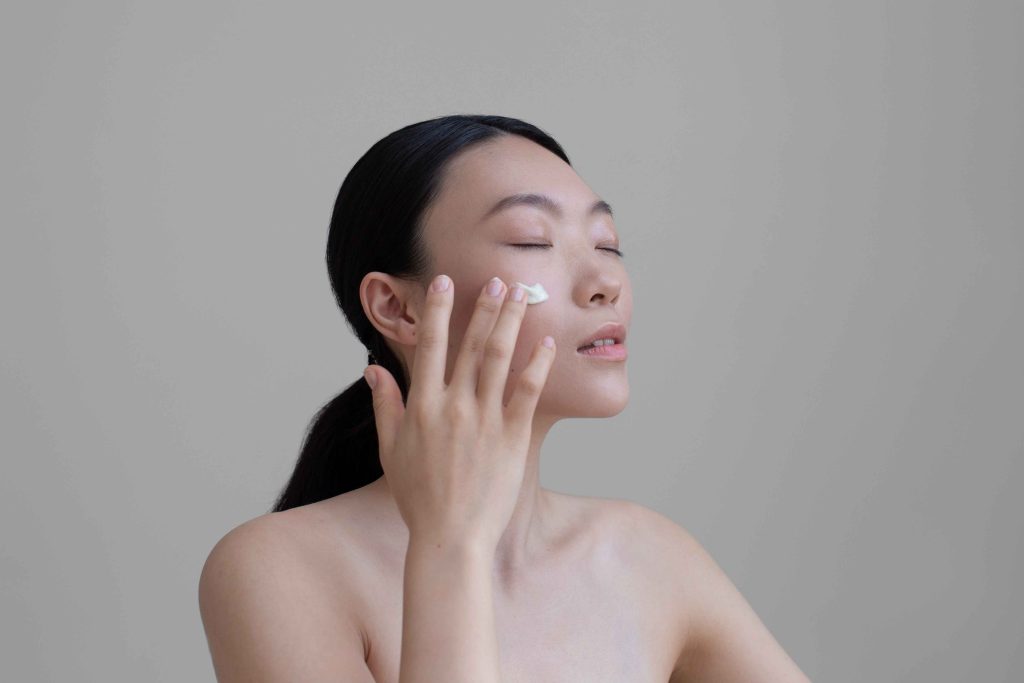
Whitening and Acne Treatment Serums After Sun Exposure
Sun exposure often leads to uneven skin tone, dullness, and dark spots. For many consumers in Southeast Asia, restoring brightness after sun exposure is an important skincare goal.
At the same time, heat and humidity can trigger acne breakouts. This creates demand for products that can address both concerns at the same time.
Brightening Serums for Radiant Skin
Brightening serums are extremely popular across Southeast Asia. Ingredients such as vitamin C and 377 are widely used to improve skin tone and reduce the appearance of dark spots.
Consumers prefer formulas that work gradually without causing irritation. Lightweight textures are especially important in hot climates, where heavy creams can feel uncomfortable.
Acne Care Solutions for Humid Environments
Acne treatment serums containing tea tree oil or salicylic acid are also in high demand. These ingredients help clear pores and reduce inflammation.
For many consumers, the ideal routine includes both a brightening serum and an acne care treatment. This combination helps restore the skin after sun exposure while keeping pores clear.
As beauty brands develop products for these needs, the next question becomes important. How can companies bring these products to market quickly and efficiently?
Why Work With a Professional Cosmetics Manufacturer Like BonnieCo
Launching successful beauty products requires more than good ideas. It requires technical expertise, reliable manufacturing, and an understanding of regional regulations.
This is why many brands choose to partner with a professional cosmetics manufacturer that offers full-service development.
BonnieCo is a private label cosmetics manufacturer that provides comprehensive solutions for beauty brands entering Southeast Asian markets. As a B2B wholesale cosmetics supplier, the company supports clients from concept to finished product.
One Stop Development and Certification Support
From formula development to packaging design, BonnieCo helps brands create products that meet local market expectations. This includes support for private label sunscreen development and advanced UV protection formulas.
The company also assists with regulatory processes such as halal certification, which is essential for markets like Indonesia and Malaysia.
Scalable Production and Reliable Delivery
With its own factory in Foshan, BonnieCo offers stable production capacity and consistent quality control. This allows brands to scale quickly when demand grows.
Working with a sunscreen OEM manufacturer that already understands tropical skincare needs can shorten development time and reduce risk.
Conclusion
Southeast Asia’s summer climate creates very specific beauty needs. Strong sunlight drives demand for sunscreen and after-sun care. High humidity increases interest in scalp oil control and anti-hair loss products. At the same time, brightening and acne treatment serums remain essential for maintaining healthy skin.
For beauty brands, understanding these consumer habits is the first step toward success. The next step is finding the right manufacturing partner to turn product ideas into high-quality formulas.
If you are planning to launch new skincare or hair care products for Southeast Asia, now is the perfect time to start developing your line. The team at BonnieCo is ready to help you explore product ideas, review formula options, and create solutions that match your target market.
Reach out to BonnieCo today to request detailed formula plans and pricing information. Your next bestselling summer product could start with a simple conversation.
Foshan BonnieCo Biotechnology Co., Ltd. (BonnieCo Group): Self-Owned Factory · Own Brands · Global Certifications · 15 Years of Smart Beauty Manufacturing. We operate three core business divisions:
1. Guangzhou LocRoyal Cosmetics Co., Ltd.: Hair care OEM + self-owned brands including PROINSCARE, PURC
2. Guangzhou BonnieCo Cosmetics Co., Ltd.: Skin care & color cosmetics OEM + self-owned brands including SenseInsCare, Jellyprim
3. A 50,000㎡ self-owned production base in Foshan
FAQs
What sunscreen works best in Southeast Asia?
Lightweight SPF50 products with a waterproof sunscreen formula work best in humid climates.
What is the difference between physical and chemical sunscreen?
Mineral sunscreen reflects UV rays, while chemical sunscreen absorbs them.
Can brands launch their own sunscreen line?
Yes. A sunscreen OEM manufacturer like BonnieCo can develop private-label sunscreen products.