


When it comes to skincare, especially products designed to brighten or even out your skin tone, the market is flooded with a variety of whitening products. However, with so many options available, it’s easy to get lost in the sea of claims about brighter, clearer skin. But here’s the truth: the real secret to achieving glowing skin lies in the whitening ingredients used in these products.
The problem? Many brands get it wrong. They use unstable ingredients, ineffective combinations, or simply fail to deliver results. As an OEM/ODM manufacturer with over a decade of experience, BonnieCo understands that choosing the right whitening ingredients can make all the difference. So, let’s cut through the confusion and dive into the top 10 whitening ingredients that have been proven to work wonders on your skin.
The Top 10 Scientifically Proven Whitening Ingredients
So, what are the real game-changers in the world of whitening? It all starts with understanding the science behind the ingredients. Let’s explore the top whitening ingredients that have shown real results through rigorous testing and are backed by solid research.
Vitamin C (L-Ascorbic Acid): The All-Rounder of Whitening
If you’ve ever looked for a brightening product, you’ve probably encountered Vitamin C. And for good reason! This powerful ingredient, also known as L-Ascorbic Acid, is one of the most popular whitening ingredients out there. So, what makes Vitamin C so effective at brightening the skin?
Vitamin C works by inhibiting melanin production, which is the pigment responsible for dark spots and uneven skin tone. It’s not just about whitening, though it also provides antioxidant protection, helping your skin fight off environmental damage caused by pollution, sun exposure, and stress. That’s why many people consider Vitamin C the “all-rounder” when it comes to skin brightening.
For brands looking to offer something effective and widely loved, a Vitamin C serum OEM could be the perfect addition to your product line. It’s simple, it’s effective, and it’s one ingredient that everyone can trust.
Niacinamide: The Traffic Controller for Melanin
But what if you have sensitive skin? Will Vitamin C work for you? The answer may lie in Niacinamide (Vitamin B3). This ingredient acts as a “traffic controller” for melanin, preventing it from moving to the surface of the skin. In other words, Niacinamide doesn’t let dark spots or pigmentation stick around. It’s gentle yet effective, making it an excellent choice for people with sensitive skin who still want to brighten their complexion.
Niacinamide is also known to improve skin texture, reduce redness, and even out skin tone. It’s versatile, gentle, and works wonders in a variety of whitening products, from moisturizers to serums.
So, if you’re creating your own private label cosmetics or looking to incorporate an ingredient that can cater to a wider audience, Niacinamide is a must-try. It’s perfect for brands aiming for long-term skin health while brightening.
377 (Phenylethyl Resorcinol): The Ace of Japanese Whitening
Moving to more specialized ingredients, let’s talk about 377, also known as Phenylethyl Resorcinol. This ingredient has gained significant recognition, particularly in Japanese skincare, for its incredible efficacy in reducing melanin production. It’s sometimes called the “Ace” of whitening ingredients, and for good reason.
What makes 377 stand out is its high efficiency it works by targeting melanin at a cellular level, making it an incredibly potent ingredient for skin whitening. Brands looking to develop whitening serums, OEM, or other high-performance products should consider incorporating 377 into their formulations. It’s a fantastic choice for those who want to provide fast, noticeable results for customers looking to tackle stubborn pigmentation issues like age spots or dark marks.
Arbutin: The Gentle Giant
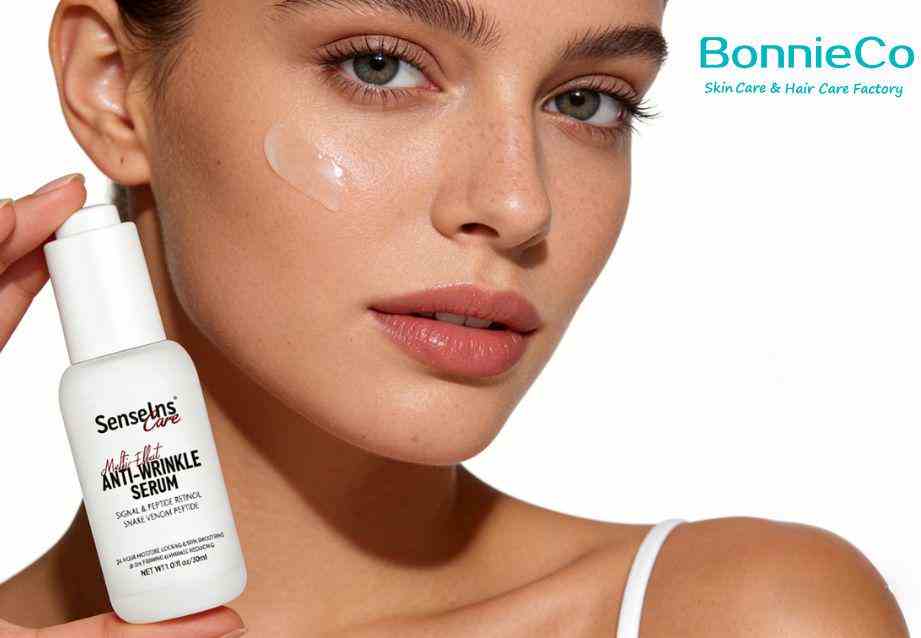
Let’s switch gears for a moment. Not everyone wants an intense solution sometimes; you need something gentler. That’s where Arbutin comes in. Derived from the bearberry plant, Arbutin is one of the gentlest whitening ingredients available. It works by inhibiting the enzyme that triggers melanin production, which helps reduce dark spots and overall skin pigmentation.
What’s great about Arbutin is that it’s gentle enough for sensitive skin. It doesn’t cause irritation, which makes it a safe choice for people who might not be able to handle stronger ingredients. If you’re looking for an ingredient that balances both gentleness and effectiveness, Arbutin should be on your radar.
Kojic Acid: The Melanin Sniper
Another popular ingredient is Kojic Acid, which is derived from fermented fungi. Kojic Acid works by blocking the production of melanin in the skin. This makes it an excellent option for treating dark spots, melasma, and other pigmentation issues.
However, there is one important thing to note Kojic Acid is sensitive to both light and oxygen. So, when you’re formulating products that include this ingredient, you’ll need to ensure proper packaging to protect its effectiveness.
If you want to give your customers fast-acting, reliable results when it comes to reducing pigmentation, Kojic Acid is an excellent choice for a whitening formula.
Tranexamic Acid: The Eraser for Dark Spots
If dark spots or melasma are the issues you’re tackling, Tranexamic Acid is a fantastic solution. This ingredient works by reducing the amount of melanin produced in the skin and has been proven to significantly improve the appearance of dark spots.
Tranexamic Acid is a more advanced option, often found in more targeted whitening products designed to tackle persistent pigmentation. For those dealing with stubborn spots, this ingredient can be a game-changer.
Azelaic Acid: The Dual-Action Brightener
Not all whitening ingredients are focused solely on brightening the skin they can do so much more! Azelaic Acid is a perfect example. Known for its dual-action abilities, Azelaic Acid not only helps lighten dark spots but also works as an anti-acne agent. It’s ideal for people with oily, acne-prone skin who also want to address pigmentation concerns.
By reducing the production of melanin and improving skin texture, Azelaic Acid is a fantastic option for those looking for an all-in-one solution for brightening and acne treatment.
Alpha Hydroxy Acids (Glycolic & Lactic Acids): The Skin Polishers
Have you ever used an exfoliating product and noticed your skin looked brighter afterwards? That’s because Alpha Hydroxy Acids (AHAs), such as glycolic acid and lactic acid, are excellent at gently exfoliating the skin. By sloughing off dead skin cells, AHAs help reveal a brighter, more radiant complexion underneath.
AHAs also help other whitening ingredients penetrate the skin more deeply, making them an essential addition to your brightening formula. They’re perfect for products that focus on overall skin radiance, such as masks and toners.
Glabridin: The Gold Standard of Plant-Derived Whitening
When it comes to natural skincare, Glabridin is a top choice. Derived from licorice root, Glabridin is a plant-based whitening ingredient that inhibits melanin production. It’s gentle and non-irritating, making it a great option for sensitive skin while still delivering noticeable brightening results.
For brands focused on natural skincare, Glabridin provides a great alternative to synthetic whitening ingredients without sacrificing effectiveness.
Vitamin C Derivatives (MAP, AA2G): The Stabilized Vitamin C for Sensitive Skin
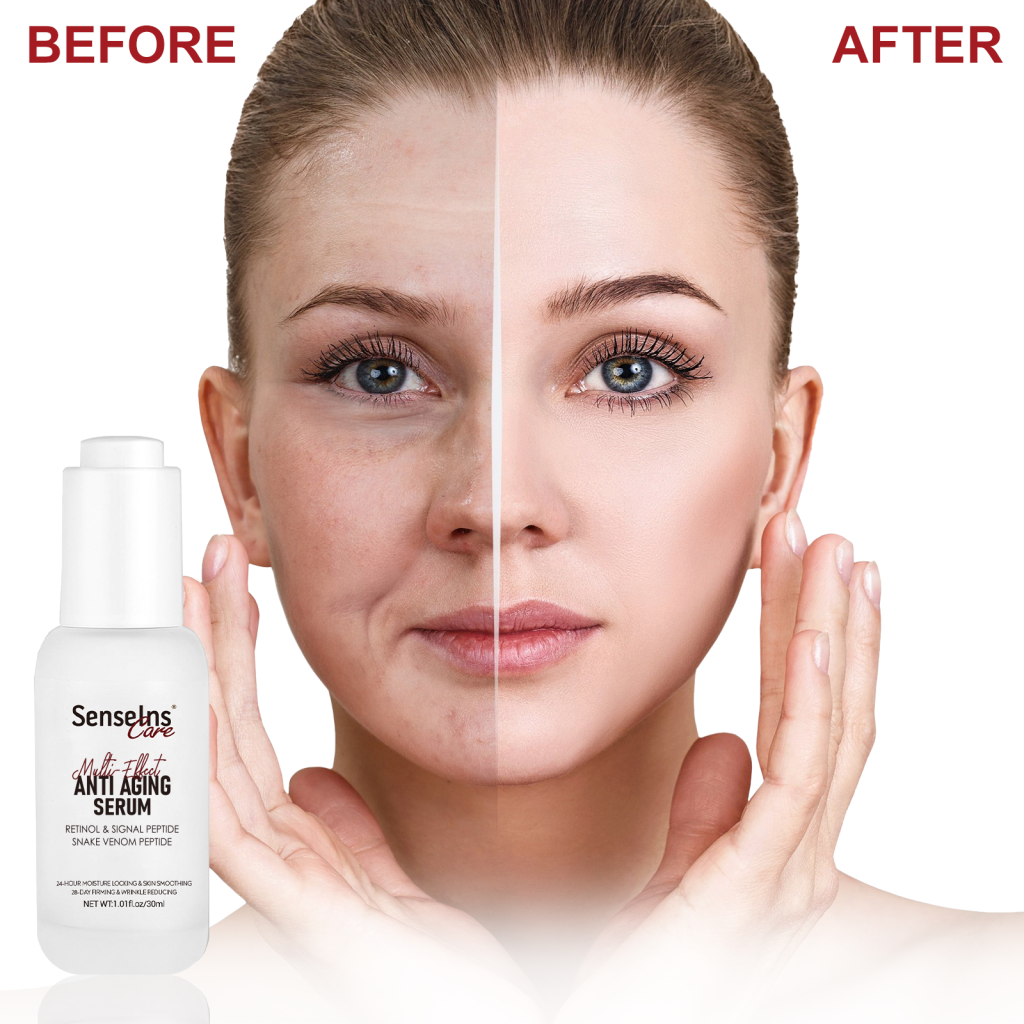
While Vitamin C is effective, some people find it too harsh for their skin. This is where Vitamin C derivatives like MAP (Magnesium Ascorbyl Phosphate) and AA2G (Ascorbyl Glucoside) come in. These derivatives offer all the brightening benefits of Vitamin C but are much more stable and gentle, making them ideal for sensitive skin types.
By incorporating these Vitamin C derivatives, you can offer the benefits of this powerful ingredient without worrying about irritation. They’re perfect for whitening products that need to be effective but non-aggravating.
Why Choose BonnieCo for Your Whitening Ingredients and Products?
Now that you know which whitening ingredients are the real deal, you might be wondering, “How do I bring these ingredients to life in my products?” This is where BonnieCo comes in. As a professional cosmetics manufacturer, BonnieCo specializes in formulating high-performance skincare products that deliver results. We have over a decade of experience and a dedicated team of experts who know how to craft the perfect product to meet your brand’s needs.
At BonnieCo, we use only the highest-quality ingredients in our formulations. Our state-of-the-art manufacturing capabilities, along with our GMPC-certified manufacturing processes, ensure that every product is made with precision and care.
How to Partner with BonnieCo for Whitening Product Development
Partnering with BonnieCo to create your own whitening products is simple. Here’s how the process works:
- Requirements Consultation: Tell us what you’re looking for in your whitening products.
- Formula Selection/Customization: Choose from our proven formulas or let us customize one to meet your specific needs.
- Sampling & Testing: We’ll send you samples for approval and make sure everything meets your standards.
- Mass Production & Shipping: Once approved, we’ll begin production and ensure timely delivery.
Ready to take your brand to the next level with whitening ingredients that work? Let’s talk! Contact us today at BonnieCo to discuss how we can bring your whitening product ideas to life.
Foshan BonnieCo Biotechnology Co., Ltd. (BonnieCo Group): Self-Owned Factory · Own Brands · Global Certifications · 15 Years of Smart Beauty Manufacturing. We operate three core business divisions:
1. Guangzhou LocRoyal Cosmetics Co., Ltd.: Hair care OEM + self-owned brands including PROINSCARE, PURC
2. Guangzhou BonnieCo Cosmetics Co., Ltd.: Skin care & color cosmetics OEM + self-owned brands including SenseInsCare, Jellyprim
3. A 50,000㎡ self-owned production base in Foshan
FAQs
1. What are whitening ingredients in skincare products?
Whitening ingredients are substances that help lighten dark spots, even out skin tone, and improve overall skin brightness. They work by inhibiting melanin production, the pigment responsible for skin discoloration.
2. How do whitening ingredients work?
Whitening ingredients, such as Vitamin C or Niacinamide, block the production of melanin or help exfoliate dead skin cells, revealing a brighter and more even complexion.
3. Are whitening ingredients safe for all skin types?
Many whitening ingredients are safe for all skin types, but some may irritate sensitive skin. It’s important to choose ingredients like Niacinamide or Arbutin for sensitive skin types, as they are gentle yet effective.
4. Can whitening ingredients be used daily?
Yes, many whitening ingredients, such as Niacinamide and Vitamin C derivatives, can be used daily. However, it’s always recommended to start slowly and patch-test new products.
5. How long does it take to see results?
Results vary depending on the ingredient and skin condition, but you can generally expect to see improvements in skin tone and brightness within 4 to 6 weeks.
6. Can whitening ingredients treat acne scars?
Yes, ingredients like Azelaic Acid and Tranexamic Acid can help fade acne scars while brightening the skin.
7. Are whitening ingredients harmful to the skin?
When used properly and in the right concentrations, whitening ingredients are safe and effective. Avoid overuse to prevent irritation.
8. How do I choose the right whitening ingredient for my skin?
Consider your skin type and concerns. For sensitive skin, opt for Niacinamide or Arbutin, while those with oily or acne-prone skin may benefit from Azelaic Acid or Vitamin C.